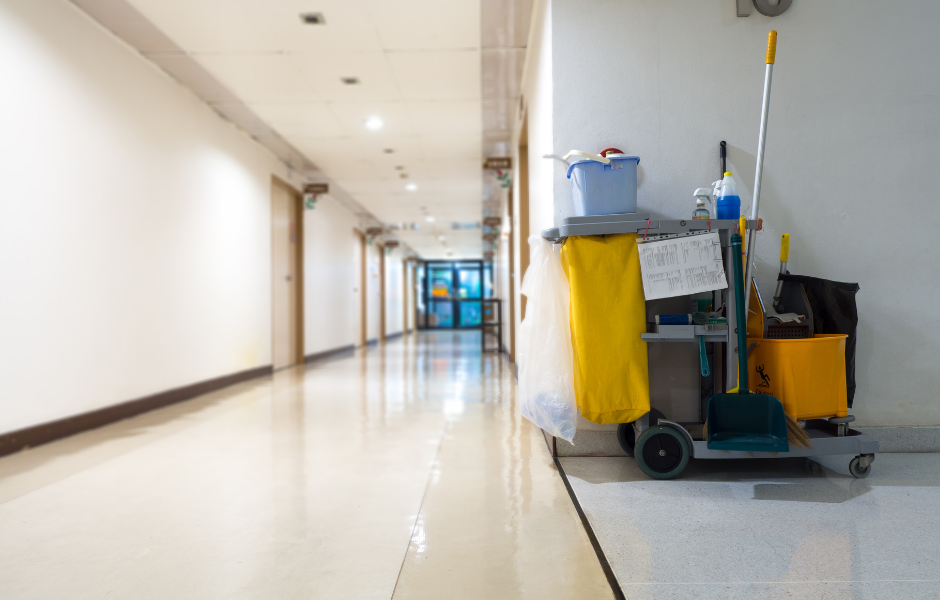
Facility-acquired infections can be a big problem in healthcare, and preventing them is an issue that looms large for healthcare facilities – and not just for larger hospitals and nursing facilities. Small medical offices, clinics, and other outpatient facilities must also be on guard against facility-acquired infections.
According to the CDC, taking measures to prevent these infections in outpatient settings is becoming a more pressing concern due to healthcare delivery shifting increasingly from hospitals to outpatient settings, along with ongoing outbreaks and patient notification events. Because it is possible to contract facility-acquired infections from mishandled medical waste, good waste disposal procedures are a crucial component of any solid infection control plan.
Can Janitorial Staff Handle Medical Waste?
Janitorial staff are typically not trained or authorized to handle medical waste due to the specific risks and regulations associated with this type of waste. Medical waste, also known as biomedical or clinical waste, includes any materials that have been contaminated by body fluids, blood, infectious agents, or other potentially hazardous biological materials. Handling and disposal of medical waste are subject to strict regulations to prevent exposure to pathogens and environmental contamination and to ensure public safety.
Proper handling of medical waste usually requires specialized training and equipment to ensure that the waste is handled, transported, and disposed of in a manner that minimizes the risk of infection or injury. This includes wearing personal protective equipment (PPE), using designated containers for sharp objects and contaminated materials, and following specific procedures for containment and disposal.
Janitorial Staff Handling Medical Waste
In healthcare settings, handling medical waste is typically the responsibility of specially trained staff or third-party companies certified in biohazard waste management. These professionals know the regulations and guidelines set by government health and environmental agencies, such as the Occupational Safety and Health Administration (OSHA) in the United States, and have the appropriate infrastructure to manage medical waste safely.
If janitorial staff in a facility are required to handle any form of medical waste, they must receive appropriate training and be provided with the necessary PPE and equipment to do so safely and in compliance with legal requirements. Employers need to ensure that all staff involved in waste management are adequately trained and informed about the risks and procedures associated with medical waste.
The Risk of Facility-Acquired Infections from Medical Waste
If you are an office manager or administrator of a medical office or clinic, you are aware of the importance of infection control for preventing the spread of facility-acquired infections between staff and patients. As required by OSHA, employees will be trained to minimize risk as they work with patients. However, are you also aware of the risks of transmitting facility-acquired infections via medical waste?
The same pathogens, bacteria, or viruses that create risk for clinical workers and patients in exam rooms can often remain active and infectious in medical waste. This creates a risk of infection for many employees who have no contact with patients, like janitorial staff who clean patient care areas, for instance, or administrative employees who oversee or participate in the medical waste management process. This, in turn, increases the risk of infections being passed around to other employees and your patients.
Those very real risks are the reason that there are so many state and federal regulations and guidelines on how potentially infectious medical waste must be handled. They are also the reason that good medical waste disposal procedures are essential to reducing the risk of facility-acquired infections becoming a problem for your practice or clinic.