Veterinary Waste Disposal | TriHaz Solutions
Read more 

What In The Veterinary Facility Is Considered Hazardous Waste?

Hazardous waste in veterinary facilities includes a variety of substances and materials that can pose a risk to human health or the environment if not handled and disposed of properly. This can include:
  • Expired or unused drugs and vaccines.
  • Contaminated materials such as gloves, gowns, and syringes that have come into contact with infectious agents.
  • Sharps, including needles, scalpels, and broken glass.
  • Chemical waste, such as disinfectants, solvents, and fixatives used in laboratory procedures.
  • Certain types of biomedical waste, including tissues, organs, and body parts from animals that have been euthanized or have died from diseases.

What Are The 5 Groups Of Hazardous Chemicals Commonly Used In Veterinary Practices?

The five groups of hazardous chemicals commonly used in veterinary practices include:
  1. Disinfectants and Sterilants: Chemicals used to disinfect surfaces, instruments, and areas to prevent the spread of infectious diseases.
  2. Pesticides and Insecticides: Used to control pests and parasites in animals and the veterinary facility.
  3. Pharmaceuticals: Medications for treating animal diseases, which can be hazardous due to their biological activity.
  4. Anesthetic Agents: Chemicals used to induce anesthesia in animals for surgery or other procedures.
  5. Chemicals Used in Diagnostics and Laboratory Tests: Includes reagents and solutions used for various laboratory tests and diagnostics.

What Is The Most Common Safety Hazard In Veterinary Medicine?

The most common safety hazard in veterinary medicine is the risk of zoonotic diseases, which are infectious diseases that can be transmitted from animals to humans. Veterinary professionals are at a higher risk of exposure to zoonotic pathogens due to their close contact with animals and biological samples. Other common hazards include bites and scratches from animals, exposure to hazardous chemicals, and injuries from sharp instruments.

What Is Veterinarian Waste Disposal?

Veterinarian waste disposal refers to the process of safely getting rid of waste materials generated by veterinary practices. This involves the segregation, handling, treatment, and disposal of various types of waste, including sharps, pharmaceuticals, chemical waste, and biohazardous materials such as animal tissues and laboratory samples. Proper disposal methods are crucial to prevent environmental pollution and minimize the risk of disease transmission to humans and animals.

How Do You Dispose Of Laboratory Animal Waste?

Disposal of laboratory animal waste requires adherence to regulatory guidelines and best practices to prevent environmental contamination and safeguard public health. The process typically involves:
  1. Segregation: Separating animal waste into categories such as solid waste (e.g., bedding and non-infectious tissues), liquid waste, and hazardous waste (e.g., chemicals).
  2. Treatment: Depending on the type of waste, treatment may include autoclaving to sterilize biohazardous materials, chemical disinfection, or incineration.
  3. Disposal: Treated waste is then disposed of in accordance with local, state, and federal regulations. This may involve using designated biohazard bags and containers, and disposing of them through licensed waste disposal services.

Is Animal Waste A Biohazard?

Yes, animal waste can be considered a biohazard, especially when it contains infectious agents or is generated from laboratory animals used in research. Biohazardous animal waste includes bodily fluids, excretions, and tissues that may carry pathogens capable of causing diseases in humans. Proper handling, treatment, and disposal of such waste are essential to prevent exposure to infectious agents and ensure environmental safety.


Veterinary Waste Disposal

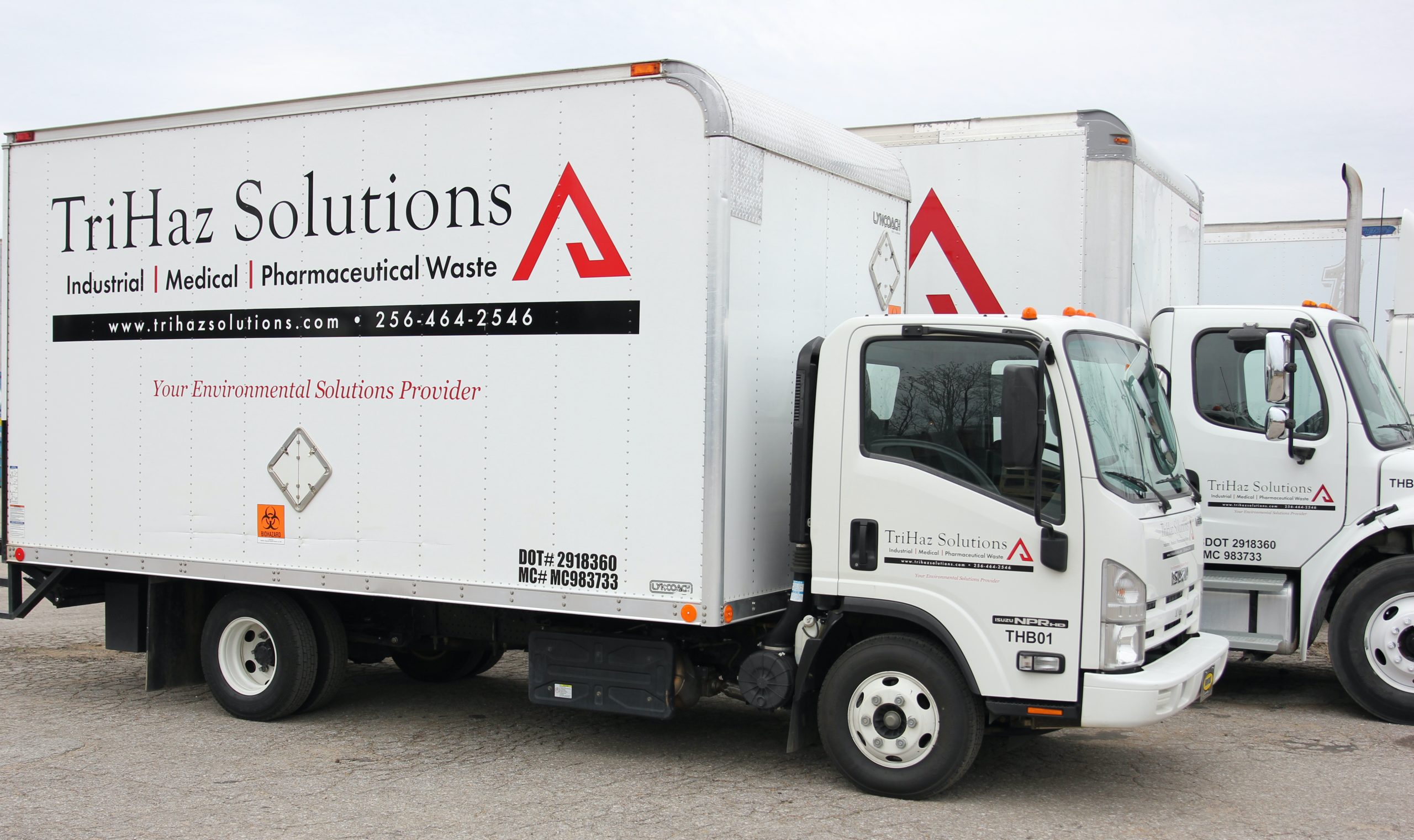
Proper waste disposal in a veterinary clinic or animal hospital is essential for maintaining a safe and sanitary environment for both staff and animals, while also adhering to legal and environmental regulations. Trust TriHaz Solutions to properly handle your veterinary waste disposal.

    TRUSTED BY HOSPITALS & MEDICAL fACILITIES IN THE SOUTHEAST

    TESTIMONIALS

    Serving Medical Facilities Across the Southeast

    Why Our Medical Waste Disposal Company?

    Highly Qualified

    Our team is highly qualified and has the experience to get the job done right. With years of experience, we have the knowledge and expertise to help you with your specific needs.

    Reliability & Safety

    When you work with TriHaz Solutions for your medical waste disposal requirements you’re working with a reliable partner who can help you reduce risk for your patients and employees.

    We offer staff compliance training for your staff regarding OSHA, DOT, and HIPAA. This is important to ensure that your staff is up-to-date on the latest compliance regulations.

    Sharps Disposal Made Easy

    Safe, Simple & Compliant!

    Our mail-back sharps disposal system includes an FDA-compliant container and prepaid return shipping for hassle-free disposal.

    Veterinary Waste Disposal

    TriHaz Solutions

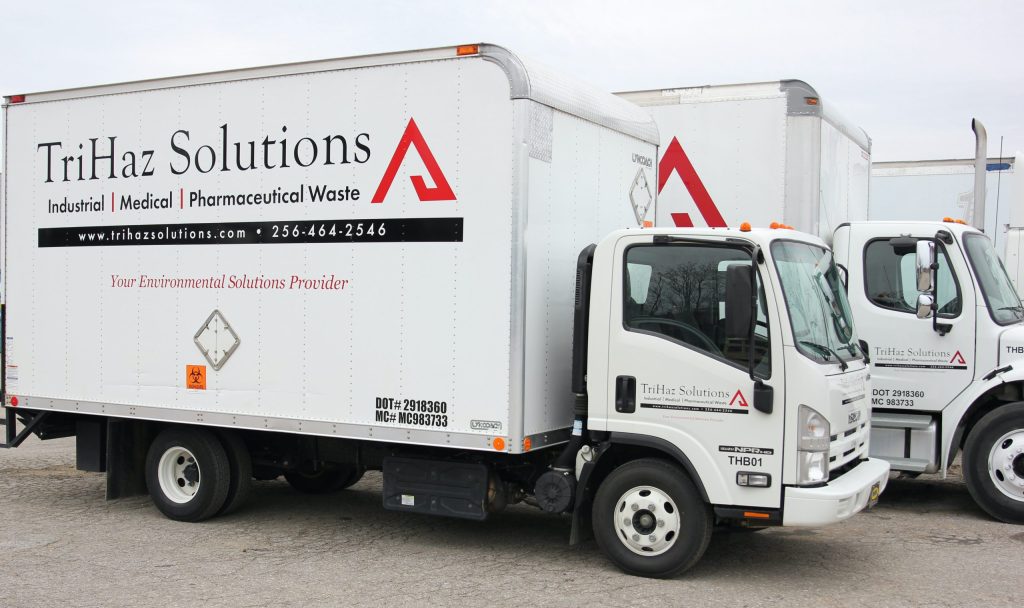
    TriHaz Solutions is the leading medical waste disposal company serving Alabama, Tennessee, and the Southeast. Specializing in the safe and compliant management of medical waste, pharmaceutical waste, and hazardous waste.

    Request Free Medical Waste Quote

      Trusted Medical Waste Disposal Company

      Medical Practices and Industries in the Southeast

      What In The Veterinary Facility Is Considered Hazardous Waste?

      Hazardous waste in veterinary facilities includes a variety of substances and materials that can pose a risk to human health or the environment if not handled and disposed of properly. This can include:
      • Expired or unused drugs and vaccines.
      • Contaminated materials such as gloves, gowns, and syringes that have come into contact with infectious agents.
      • Sharps, including needles, scalpels, and broken glass.
      • Chemical waste, such as disinfectants, solvents, and fixatives used in laboratory procedures.
      • Certain types of biomedical waste, including tissues, organs, and body parts from animals that have been euthanized or have died from diseases.

      What Are The 5 Groups Of Hazardous Chemicals Commonly Used In Veterinary Practices?

      The five groups of hazardous chemicals commonly used in veterinary practices include:
      1. Disinfectants and Sterilants: Chemicals used to disinfect surfaces, instruments, and areas to prevent the spread of infectious diseases.
      2. Pesticides and Insecticides: Used to control pests and parasites in animals and the veterinary facility.
      3. Pharmaceuticals: Medications for treating animal diseases, which can be hazardous due to their biological activity.

      4. Anesthetic Agents: Chemicals used to induce anesthesia in animals for surgery or other procedures.

      5. Chemicals Used in Diagnostics and Laboratory Tests: Includes reagents and solutions used for various laboratory tests and diagnostics.

      What Is The Most Common Safety Hazard In Veterinary Medicine?

      The most common safety hazard in veterinary medicine is the risk of zoonotic diseases, which are infectious diseases that can be transmitted from animals to humans. Veterinary professionals are at a higher risk of exposure to zoonotic pathogens due to their close contact with animals and biological samples. Other common hazards include bites and scratches from animals, exposure to hazardous chemicals, and injuries from sharp instruments.

      What Is Veterinarian Waste Disposal?

      Veterinarian waste disposal refers to the process of safely getting rid of waste materials generated by veterinary practices. This involves the segregation, handling, treatment, and disposal of various types of waste, including sharps, pharmaceuticals, chemical waste, and biohazardous materials such as animal tissues and laboratory samples. Proper disposal methods are crucial to prevent environmental pollution and minimize the risk of disease transmission to humans and animals.

      How Do You Dispose Of Laboratory Animal Waste?

      Disposal of laboratory animal waste requires adherence to regulatory guidelines and best practices to prevent environmental contamination and safeguard public health. The process typically involves:
      1. Segregation: Separating animal waste into categories such as solid waste (e.g., bedding and non-infectious tissues), liquid waste, and hazardous waste (e.g., chemicals).
      2. Treatment: Depending on the type of waste, treatment may include autoclaving to sterilize biohazardous materials, chemical disinfection, or incineration.
      3. Disposal: Treated waste is then disposed of in accordance with local, state, and federal regulations. This may involve using designated biohazard bags and containers, and disposing of them through licensed waste disposal services.

      Is Animal Waste A Biohazard?

      Yes, animal waste can be considered a biohazard, especially when it contains infectious agents or is generated from laboratory animals used in research. Biohazardous animal waste includes bodily fluids, excretions, and tissues that may carry pathogens capable of causing diseases in humans. Proper handling, treatment, and disposal of such waste are essential to prevent exposure to infectious agents and ensure environmental safety.