
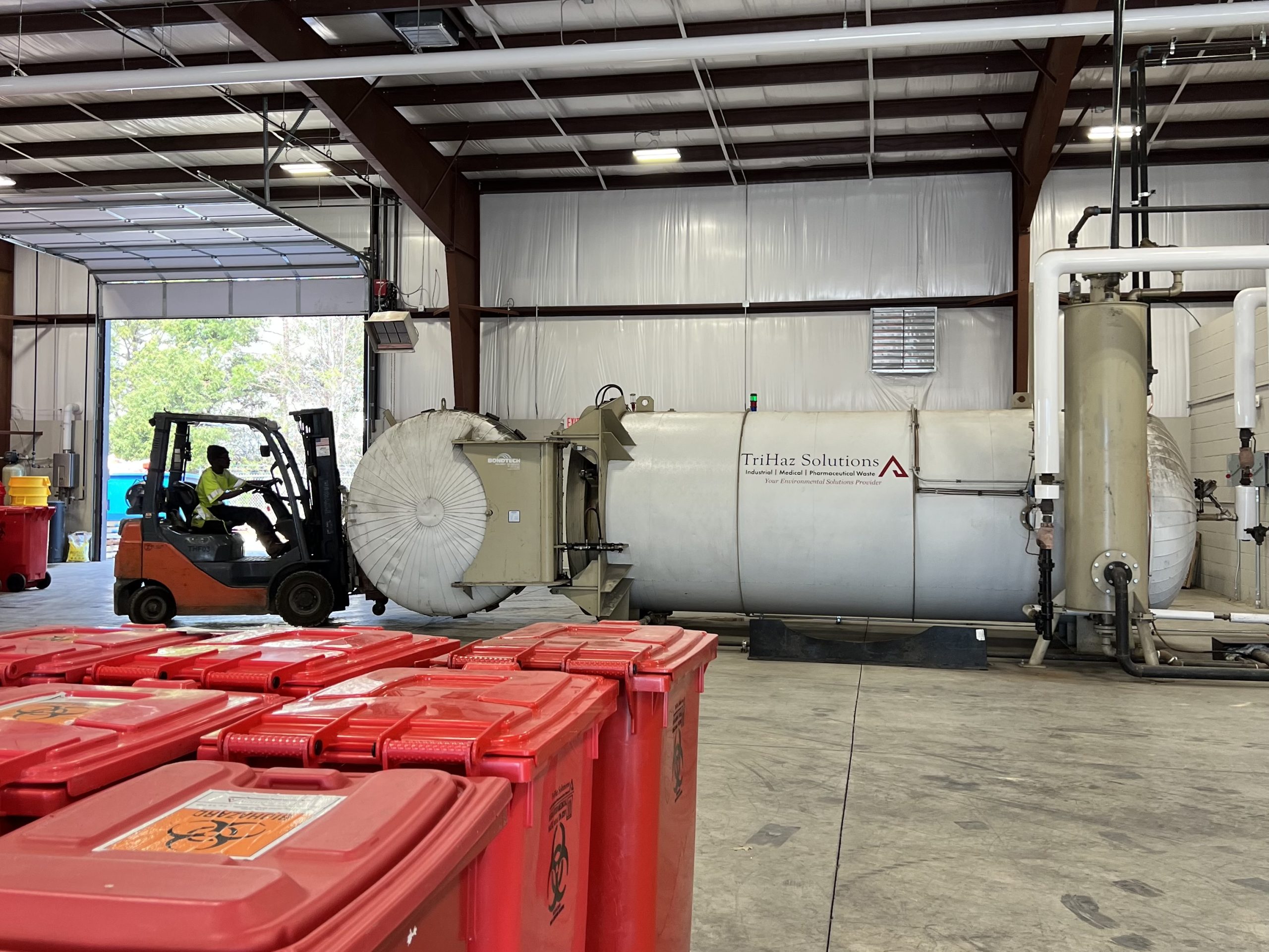
The disposal of medical waste is crucial for public health and environmental safety. This process is essential in various settings, from hospitals to home healthcare. Managing medical waste responsibly is a legal and moral obligation. Here are the steps and methods used to dispose of medical waste effectively and safely.
Understanding Medical Waste
Medical waste, or biohazardous waste, includes any material potentially contaminated with bodily fluids or infectious substances. Common examples are sharps (needles, scalpels), gloves, bandages, and pathological waste. Recognizing these materials is the first step in their proper disposal.
How to Dispose of Medical Waste
Segregation at Source
Effective medical waste disposal begins with segregation at the point of generation. This involves separating medical waste from regular trash. Using color-coded containers and labels is critical for identifying waste types and ensuring appropriate treatment.
Safe Storage and Handling
Proper storage of medical waste is vital to prevent contamination and accidents. Containers should be leak-proof and puncture-resistant, with clear labeling. Careful handling and secure storage away from unauthorized personnel are essential to maintain safety.
Transportation of Medical Waste
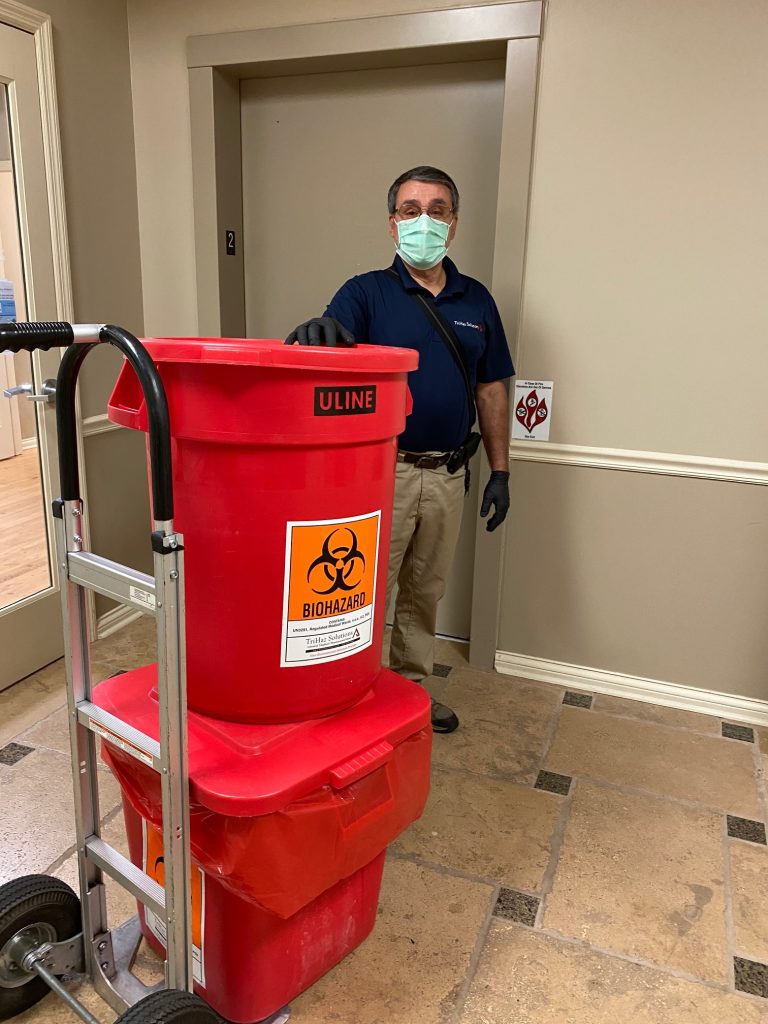
Transporting medical waste is subject to stringent regulations to avoid spills and exposure. Licensed medical waste disposal companies should be employed for this task, as they are well-versed in legal and safety protocols.
Disposal of Medical Waste
The final step in medical waste management is its disposal, which is critical for ensuring public health and environmental safety. The main methods include incineration, autoclaving, chemical disinfection, and microwave treatment, chosen based on the type of waste and regulatory guidelines. This crucial step ensures the safe and effective neutralization of hazardous materials.
Methods to Dispose of Medical Waste
1. Incineration
Incineration involves burning medical waste at high temperatures, effectively destroying bacteria and other harmful organisms. It is particularly used for:
- Pathological Waste: Such as tissues, organs, and body parts.
- Pharmaceutical Waste: Expired or unused medications and trace chemotherapy waste.
- Chemically Contaminated Waste: Items contaminated with laboratory chemicals.
The process reduces waste volume significantly and destroys hazardous components. However, incineration must be carefully controlled to minimize the emission of harmful gases and ash.
2. Autoclaving
Autoclaving uses pressurized steam to sterilize medical waste. It is effective for:
- Sharps: Needles, scalpels, and other instruments.
- Microbiological Waste: Cultures, specimens, and devices used to transfer or mix cultures.
- Other Contaminated Waste: Such as dressings, bandages, and gowns.
Autoclaving is widely used because it’s efficient and environmentally friendly. However, it is unsuitable for chemical or pharmaceutical waste.
3. Chemical Disinfection
Chemical disinfection uses disinfectants like chlorine, iodine, or formaldehyde to decontaminate waste. It’s typically used for:
- Liquid Waste: Blood, bodily fluids, or other liquid waste.
- Lab Waste: Items used in medical or biological laboratories.
While effective, the method requires careful handling of chemicals and is only suitable for certain types of waste.
4. Microwave Treatment
Microwave treatment involves using microwaves at specific frequencies to disinfect medical waste. This type of treatment is suitable for:
- Soft Medical Waste: Gauzes, bandages, and other non-sharp, non-chemical waste.
- Wet Waste: Waste with high moisture content.
This method is gaining popularity due to its efficiency and environmental benefits, as it does not generate harmful emissions.