
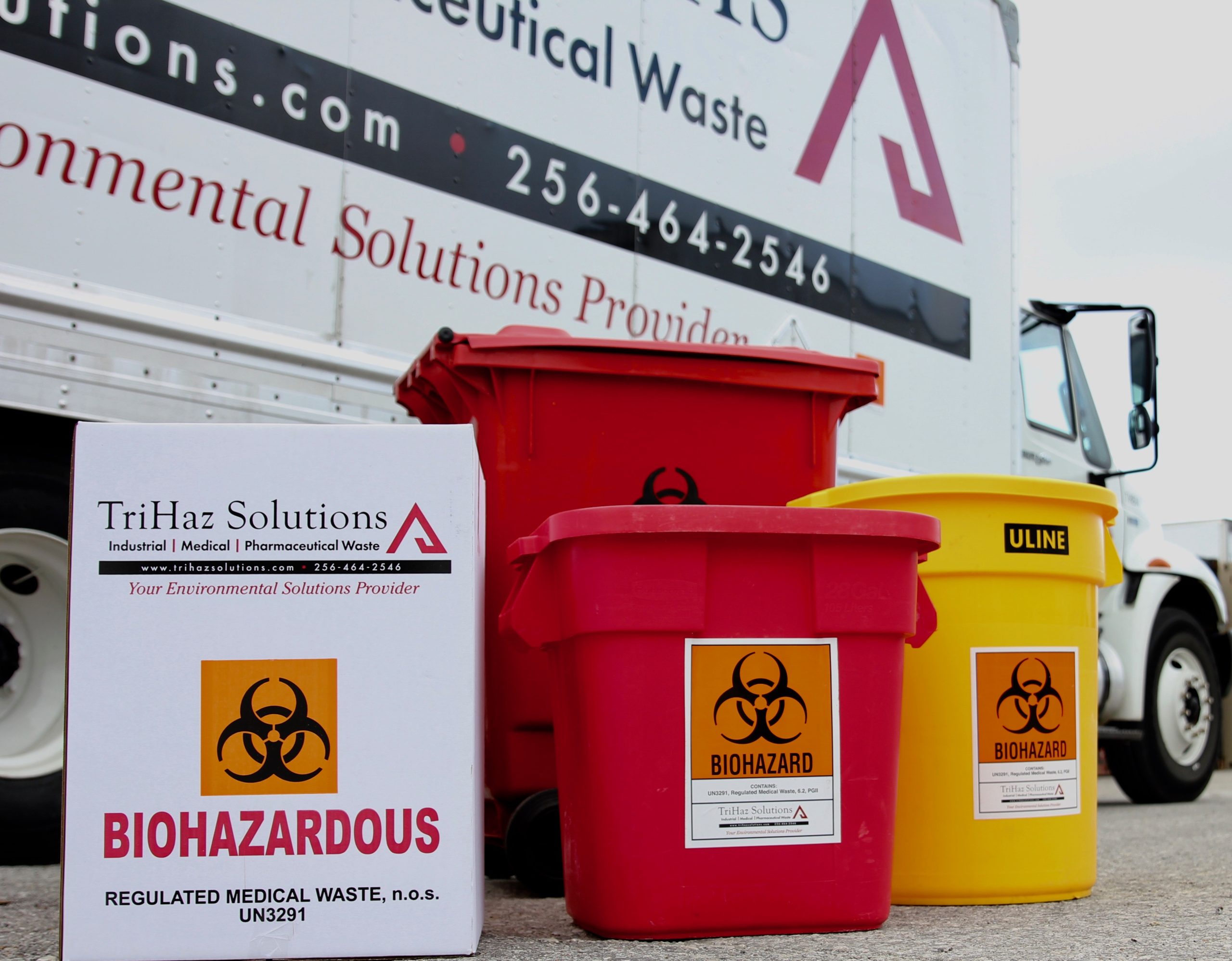
Medical waste, also known as healthcare waste, includes all waste generated in healthcare facilities, laboratories, and related establishments. It encompasses a wide range of materials, from used syringes to discarded surgical gloves, and poses significant challenges for both public health and the environment. Reducing medical waste minimizes these risks and promotes sustainable healthcare practices.
How to Reduce Medical Waste
Implementing Segregation Protocols
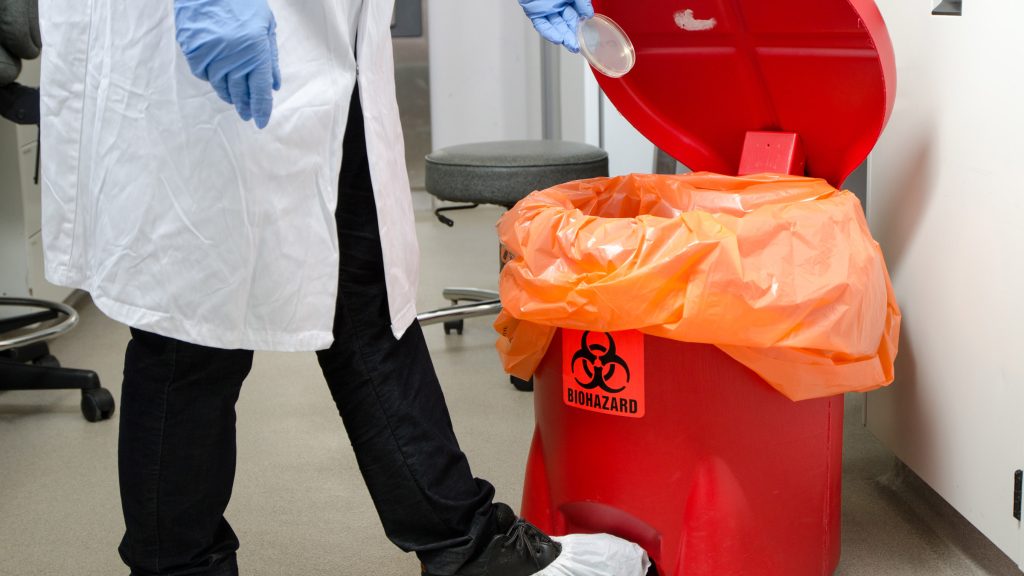
Proper segregation is one of the most effective ways to reduce medical waste. This involves categorizing waste at the point of generation into different streams such as sharps, infectious, and non-infectious waste. Effective segregation minimizes the volume of hazardous waste and enhances recycling opportunities.
Adopting Reusable Products
Shifting from single-use to reusable items can significantly cut down on waste. This includes using reusable gowns, stainless steel surgical instruments, and autoclavable containers. Healthcare facilities should assess the potential for switching to reusable products without compromising patient safety and care standards.
Enhancing Staff Training and Awareness
Educating healthcare personnel about waste management protocols is crucial. Regular training sessions can ensure that staff are aware of the latest practices in waste reduction, segregation, and proper disposal methods. An informed team is a key asset in achieving waste reduction goals. (Partner with TriHaz Solutions to increase your staff’s training and awareness using our online training.)
Utilizing Efficient Waste Management Technologies
Incorporating advanced technologies like autoclaves for sterilizing waste and compaction machines to reduce the volume of waste can be highly effective. These technologies reduce the quantity of waste and render it safer for disposal.
Reducing Pharmaceutical Waste
Proper management of expired or unused medications is essential. This includes having clear protocols for the disposal of pharmaceutical waste and implementing drug recycling programs where feasible. Additionally, optimizing drug ordering and storage practices can minimize unnecessary waste.
The Role of Policy and Regulation in Medical Waste Reduction
Developing Comprehensive Waste Management Policies
Establishing clear policies and guidelines is fundamental for effective waste management. These policies should cover all aspects of waste generation, handling, treatment, and disposal, ensuring environmental and health regulations compliance.
Strengthening Compliance and Monitoring
Regular audits and monitoring of waste management practices help maintain compliance with established protocols. This also assists in identifying areas for improvement and promptly implementing corrective actions promptly.
The Path to Reducing Medical Waste
Reducing medical waste is a multifaceted challenge that requires the cooperation of healthcare professionals, administrators, and policymakers. By implementing these strategies, healthcare facilities can significantly reduce their environmental footprint, enhance public health safety, and move towards more sustainable practices. Trihaz Solutions is committed to providing expert guidance and solutions in the journey toward effective and efficient medical waste management.