
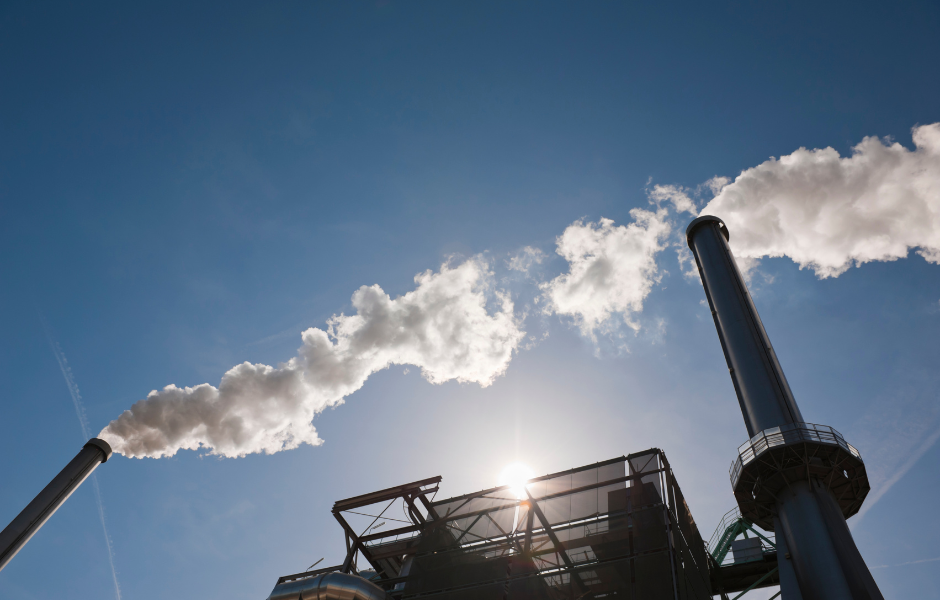
Medical waste incineration is a crucial process in the management of hazardous waste produced by healthcare facilities, laboratories, and research centers. This method involves the combustion of waste materials at high temperatures, effectively destroying pathogens and reducing the volume of waste to ash. This article by TriHaz Solutions will delve into the inner workings of medical waste incinerators, highlighting their design, operation, and the critical role they play in waste management.
Understanding Medical Waste Incineration
Medical waste incineration is a sophisticated process designed to dispose of hazardous medical waste safely and efficiently. This method is essential for managing the vast amounts of waste generated by hospitals, clinics, laboratories, and other healthcare facilities, including anything from contaminated sharps and laboratory cultures to chemical waste and expired pharmaceuticals. Incineration eliminates harmful pathogens, reduces the risk of disease transmission, and significantly decreases the volume of waste, transforming it into ash, flue gas, and heat.
Importance of Medical Waste Incineration
Medical waste incineration plays a pivotal role in public health and environmental protection. This method is critical for eliminating infectious and hazardous materials that can pose significant health risks if disposed of improperly. By subjecting medical waste to high-temperature combustion, incinerators effectively destroy bacteria, viruses, and other pathogens, preventing them from entering the environment or threatening human health. Moreover, incineration significantly reduces the volume of waste, making it easier to manage and dispose of the remaining materials safely.
The Incineration Process
This process is particularly vital in areas with limited landfill space, as it helps conserve land and reduce the potential for soil and water contamination. Additionally, modern incineration facilities are equipped with pollution control systems to minimize the release of harmful emissions into the atmosphere, thereby safeguarding air quality. The importance of medical waste incineration cannot be overstated, as it ensures a safer, cleaner environment while supporting the healthcare sector’s efforts to manage waste responsibly.
Waste Collection and Segregation
Before the incineration process begins, the collection and segregation of medical waste are critical steps to ensure efficient and safe disposal. To manage it appropriately, healthcare facilities must meticulously sort waste into different categories, such as infectious, hazardous chemical, radioactive, and general waste. This segregation is vital not only for safety and environmental reasons but also to comply with regulations that dictate specific disposal methods for each waste type. Properly segregated waste ensures that only materials suitable for incineration reach the incinerator, optimizing the process and minimizing the risk of releasing harmful substances into the environment.
Loading and Combustion
Once medical waste is collected and properly segregated, it is loaded into the incinerator chamber. This step is typically automated to minimize human exposure to hazardous materials. The combustion process then begins, where waste is exposed to high temperatures ranging between 800°C and 1200°C (1472°F and 2192°F). Waste materials are completely combusted at these temperatures, effectively destroying bacteria, viruses, and other pathogens. The combustion chamber is designed to ensure that waste is exposed to this intense heat for a sufficient duration, usually an hour or more, to guarantee complete incineration. Oxygen is carefully regulated during combustion to optimize the burn and reduce the production of smoke and other emissions.
Waste Heat Recovery
An innovative and environmentally beneficial aspect of the medical waste incineration process is waste heat recovery. This process involves capturing the heat generated during combustion and repurposing it for other uses, such as heating water or generating electricity. By converting the thermal energy produced during incineration into usable energy, facilities can significantly reduce their energy consumption and lower operational costs. Waste heat recovery systems are designed to be highly efficient, capturing a substantial portion of the heat that would otherwise be lost to the environment.
Environmental Considerations
While medical waste incineration plays a crucial role in the safe disposal of hazardous materials, it also poses environmental challenges that must be carefully managed. The combustion process can release pollutants, including dioxins, furans, and heavy metals, which have the potential to harm the environment and human health. Consequently, modern incineration facilities are equipped with advanced air pollution control systems designed to capture and neutralize these emissions before they are released into the atmosphere. These systems include filters, scrubbers, and electrostatic precipitators that effectively remove or reduce pollutants to meet stringent environmental standards.
Emission Control
Emission control is a critical component of the environmental considerations associated with medical waste incineration. Given the potential for incinerators to release harmful pollutants, such as dioxins, furans, mercury, and particulate matter, into the atmosphere, stringent emission controls are enforced to minimize impact. Advanced air pollution control technologies are employed within incineration facilities to clean the flue gases before they are released. These technologies include baghouse filters, which trap particulate matter; scrubbers, which neutralize acidic gases; and carbon adsorption systems, which capture organic compounds and mercury.
Ash Disposal
After the incineration process, the residue left behind is primarily ash, which includes both bottom ash (collected at the incinerator’s base) and fly ash (fine particles captured by pollution control equipment). Ash disposal is a critical component of the medical waste incineration process, requiring careful handling to prevent environmental contamination. This ash can contain concentrated levels of heavy metals and other toxic substances, making secure disposal critical. Typically, ash is transported to certified hazardous waste landfills, where it is stabilized and buried in specially designed cells to prevent leaching into groundwater. Some facilities also treat ash to neutralize hazardous components before disposal, mitigating environmental risks.
How a Medical Waste Incinerator Works
In conclusion, operating a medical waste incinerator is a complex, multi-stage process that plays an essential role in managing hazardous waste generated by healthcare facilities. From the initial steps of waste collection and segregation to the final phases of combustion, ash disposal, and emissions control, each stage is critical for ensuring the safe, efficient, and environmentally responsible disposal of medical waste.