Pathological waste disposal by TriHaz Solutions involves meticulously managing waste containing human tissues, organs, body parts, and bodily fluids removed during surgical procedures, autopsies, or other medical processes. This type of waste is considered potentially infectious and requires special handling to prevent the spread of pathogens and protect public health and safety.
Comprehensive Pathological Waste Disposal Services
- Segregation and Collection: At TriHaz Solutions, we emphasize the importance of properly segregating pathological waste from other waste types at the point of origin. We provide specialized, clearly labeled containers designed to safely contain human tissue and other pathological materials, ensuring they are kept separate from other types of medical waste, such as sharps or general infectious waste.
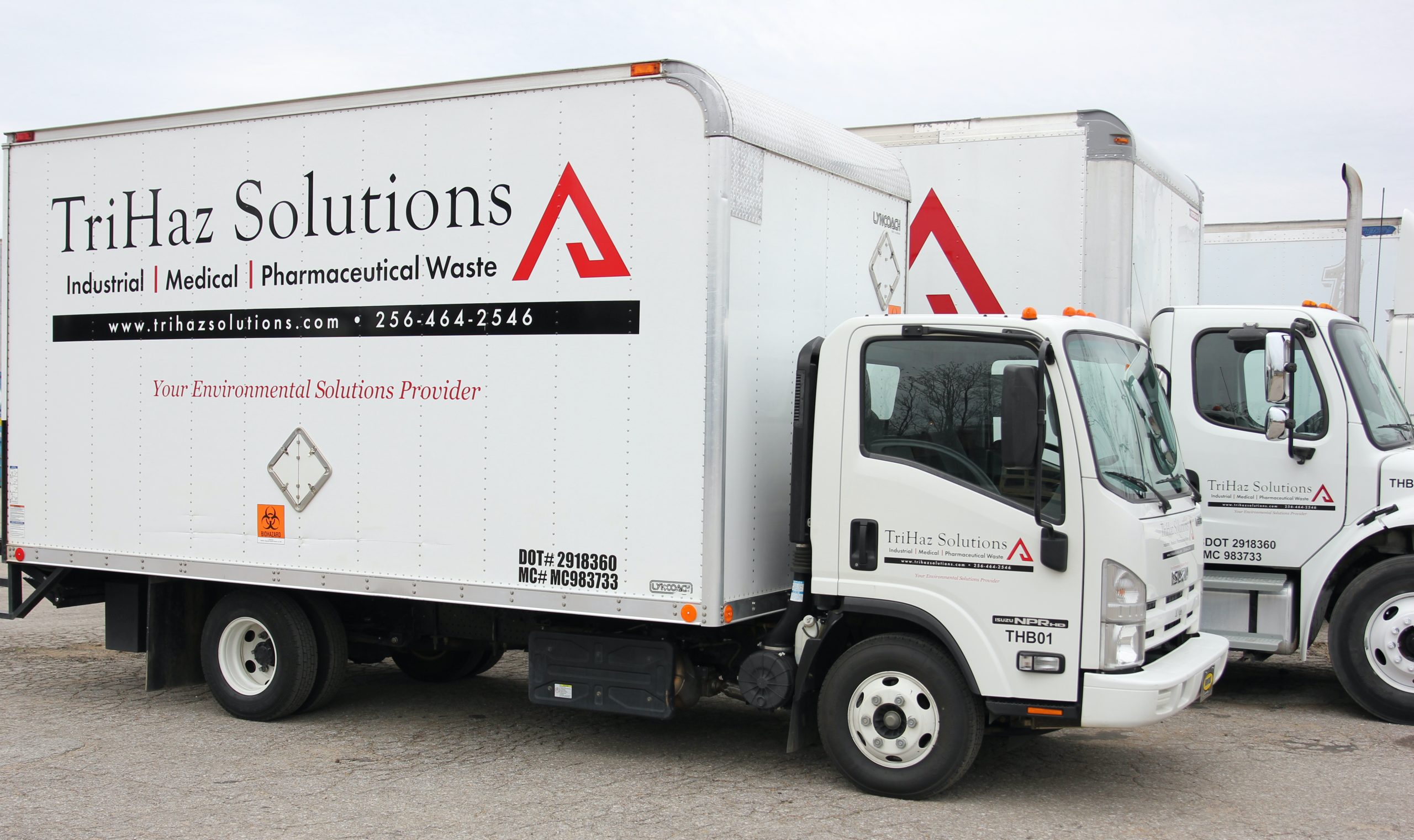
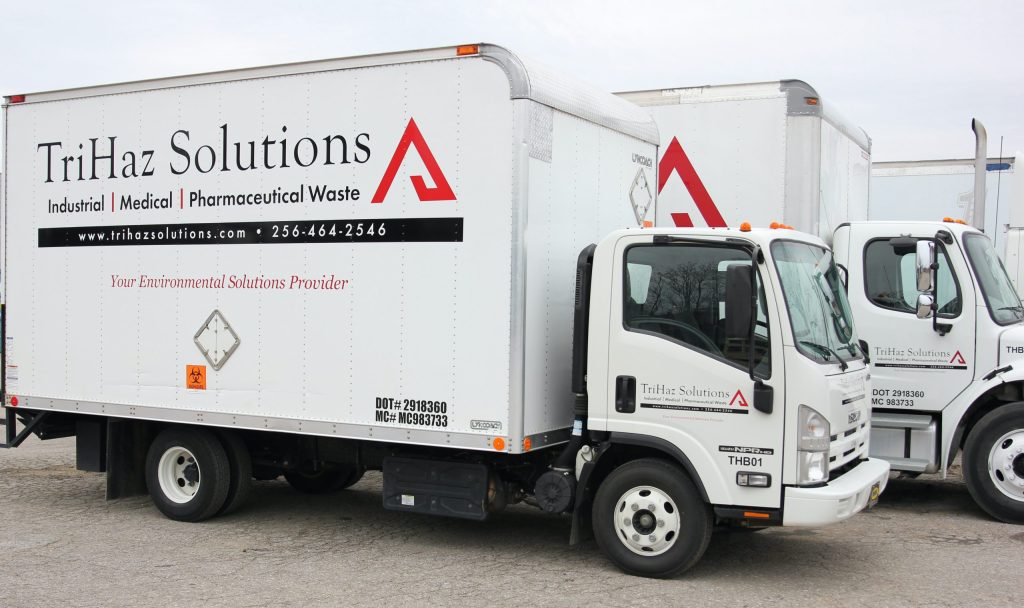
- Safe Handling and Transportation: Our trained professionals handle all pathological waste with the utmost care, following stringent safety protocols to minimize exposure risks. TriHaz Solutions offers reliable, compliant transportation services to transport waste from healthcare facilities to our disposal facilities securely. We use specially designed vehicles to handle biohazardous materials, ensuring safe and leak-proof transit.
- Environmentally Responsible Disposal: TriHaz Solutions utilizes state-of-the-art technologies for the disposal of pathological waste, including incineration or other methods compliant with federal, state, and local regulations. Incineration is often preferred as it effectively destroys pathogens and reduces waste volume, mitigating the environmental impact. All disposal methods used by TriHaz Solutions are designed to protect public health while minimizing ecological footprints.
- Regulatory Compliance and Documentation: We ensure full compliance with all relevant regulations, including those set by the Occupational Safety and Health Administration (OSHA), the Environmental Protection Agency (EPA), and state-specific health departments. TriHaz Solutions provides comprehensive documentation and tracking of pathological waste disposal, giving healthcare facilities the assurance that their waste is managed responsibly and legally.
- Customized Solutions and Support: Understanding that each healthcare facility has unique needs, TriHaz Solutions offers customized disposal programs that align with specific operational requirements. Our experts work closely with clients to develop waste management plans that ensure safety, compliance, and efficiency. We also provide ongoing support and training to healthcare staff, helping them stay updated on best practices and regulatory changes.
By choosing TriHaz Solutions for pathological waste disposal, healthcare facilities can trust that their waste is handled with the highest safety, compliance, and environmental responsibility standards. Our commitment to excellence ensures that pathological waste is managed effectively, reducing risk and maintaining public trust in healthcare practices.
How Does Pathological Waste Pick-Up Work?
Pathological Waste Pick-Up is a specialized service focused on the safe collection and removal of biological tissue, organs, and other body parts generated from medical procedures. Certified professionals handle this process with strict adherence to health and safety regulations, ensuring that waste is securely contained, labeled, and transported to designated disposal facilities for proper treatment.
What Is Pathology Waste?
Pathology Waste refers to biological materials derived from surgeries, autopsies, and other medical procedures, including human tissues, organs, body parts, and fluids. This type of waste is considered hazardous and requires specific handling, packaging, and disposal methods to prevent health risks and environmental contamination. Pathology waste management follows strict regulatory guidelines to ensure the safe treatment and disposal of these sensitive materials
How is pathological waste different from other medical waste?
While all pathological waste is medical waste, it is distinct in that it contains anatomical parts. General medical waste may include items like gloves, bandages, or syringes, whereas pathological waste typically requires incineration or other specialized treatment methods due to the biological risk.
How should pathological waste be disposed of?
Pathological waste should be collected in clearly marked, leak-proof, and sealed containers. Disposal typically involves incineration or other approved thermal treatment methods to ensure complete destruction and prevent environmental or health risks.
Who generates pathological waste?
Hospitals, surgery centers, pathology labs, veterinary clinics, research facilities, and mortuaries are the most common generators of pathological waste due to their involvement with surgical and biological procedures.
Is incineration required for pathological waste disposal?
In many states and jurisdictions, yes — incineration is the preferred or mandated method for disposing of pathological waste due to its effectiveness in destroying organic matter and pathogens completely.
Can pathological waste go in the red biohazard bags?
No. While red bags are suitable for other types of biohazardous waste, pathological waste typically must be placed in special rigid containers and labeled according to federal and state regulations to ensure safe transport and disposal.
What regulations govern pathological waste disposal?
Disposal is regulated by agencies such as the EPA, OSHA, and state environmental and health departments. Facilities must follow strict protocols to maintain compliance, avoid fines, and protect public health.