
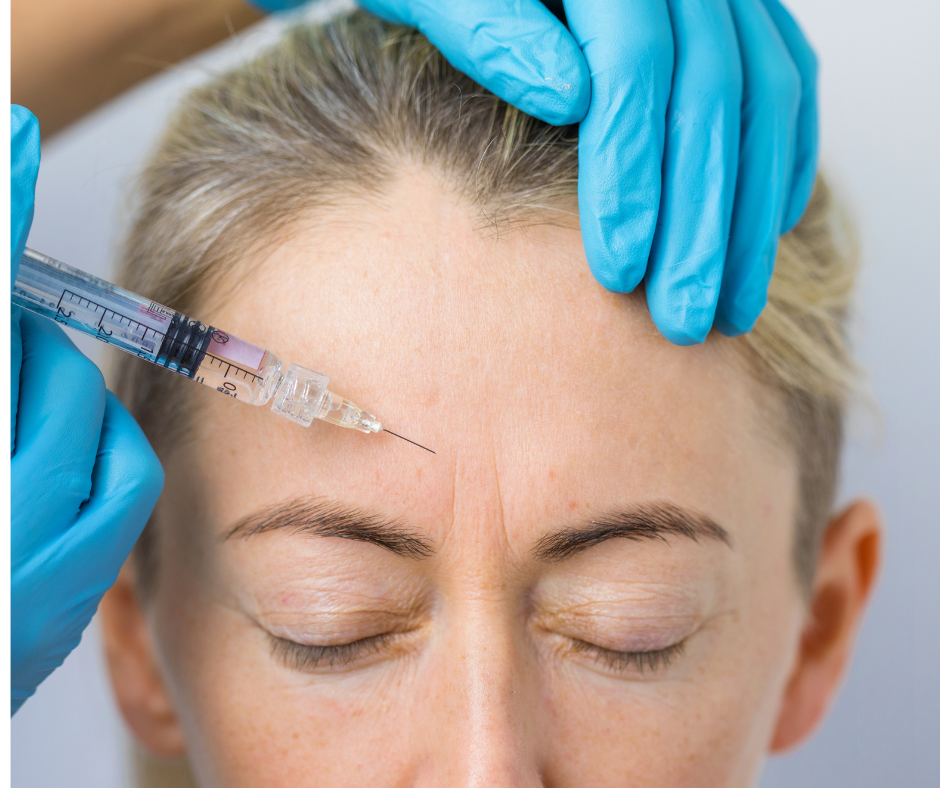
The medical spa market is experiencing strong growth, driven by increasing demand for non-invasive cosmetic procedures. Overall wellness trends and an increasing demand for age-defying treatments are also propelling the market. In the U.S., the industry was valued at $6.45 billion in 2024 and is expected to grow to $25.84 billion by 2034. Unfortunately, some practices are unaware that their cosmetic procedures legally classify them as medical waste generators. Non-compliance can result in heavy fines and health risks to patients and staff. Med spa owners need to know this: If your procedures involve skin penetration or blood (even a single microneedling session!) you generate regulated medical waste (RMW) and must manage it accordingly under state and federal laws. TriHaz takes a look at med spas and aesthetic practices and how their waste should be managed.
What is a Med Spa?
A medical spa (med spa) is a hybrid facility that combines traditional spa services with certain medical treatments under the supervision of licensed healthcare professionals. These facilities often have a physician or nurse practitioner on staff. Treatments can involve prescription medications, injections, or devices regulated by the FDA.
What is an Aesthetic Practice?
An aesthetic practice refers to a facility that provides non-medical cosmetic procedures with the goal of improving the appearance of the skin, hair, and body. These are typically run by licensed estheticians and do not involve invasive procedures or medical oversight – unless the practice is combined with a medspa. Aesthetic practice procedures may include facials and microdermabrasion, chemical peels, waxing and threading, eyelash and brow tinting, and body wraps or scrubs.
Med Spa Procedures
Med spa procedures (often medical-grade) may include the following:
- Botox and dermal fillers
- Laser hair removal
- Microneedling with PRP (platelet-rich plasma)
- CoolSculpting (cryolipolysis)
- IPL (Intense Pulsed Light) treatments
- Kybella (fat-dissolving injections)
- Radiofrequency skin tightening
- Minor skin lesion removal
Non-invasive treatments at med spas or aesthetic practices are procedures that do not involve surgery, incisions, or penetration of the skin beyond the epidermis. This type of treatment typically requires no downtime and poses minimal risk compared to invasive cosmetic surgery.
Types of Medical Waste Generated by Med Spas
Medical spas, and occasionally aesthetic practices, generate regulated medical waste. Proper med spa waste disposal is crucial to ensure all regulatory requirements are met. This type of medical waste may include:
- Sharps: Needles from Botox/fillers, lancets, microneedling cartridges
- Biohazardous waste: Gauze or pads soaked in blood or body fluids, PRP-related waste
- Pharmaceutical waste: Expired medications, especially injectables
- Chemical waste: From peels or sterilization agents
- Contaminated PPE: Gloves, masks and gowns used during procedures
Aesthetic-only practices may produce non-regulated waste; however, if blood or body fluids are present, they may cross into regulated territory.
Managing Med Spa Medical Waste
These are important best practices for proper regulated medical waste management.
- Sharps Disposal: Use FDA-cleared sharps containers. Seal and dispose through a licensed medical waste hauler.
- Biohazardous Waste: Store in red biohazard bags and dispose via an approved biowaste management service.
- Pharmaceutical Waste: Segregate from regular waste; use reverse distributors or hazardous waste disposal services depending on the drug classification.
- Recordkeeping: Maintain manifests and logs of waste pickup and treatment in compliance with state/federal laws.
- Training: Staff should be trained on OSHA bloodborne Pathogens Standards and local medical waste regulations.
The med spa industry has experienced significant growth over the past year. There is also increased consumer demand for non-invasive aesthetic treatments and wellness services as the future of the medical spa and aesthetic industry unfolds. Remember, if you puncture skin or contact blood/fluids (even once!) you are generating medical waste and must follow all disposal laws. Don’t risk patient and staff safety or fines. Partner with a licensed medical waste disposal provider who understands the unique needs of med spas and aesthetic practices.