Automotive waste disposal involves the responsible and safe management of waste generated from automotive-related activities, from manufacturing to repair and maintenance. Whether you work in a large-scale manufacturing facility or a small auto body shop, there’s a good chance you come into contact with hazardous waste materials on a regular basis.
“TriHaz Solutions is able to competently handle the large volume of waste produced by our hospital system. They are efficient and timely, and we trust them to do what they say they will do.
David CrumpDirector of Environmental Services Huntsville Hospital System
“We switched to TriHaz Solutions from a larger, national company. The transition was smooth and managing our medical waste has become much easier. Best of all, the service is great and fees are reasonable. Their drivers are friendly and courteous, which is an added bonus. We’re glad we made the switch.”
Mike ShortDirector of Safety & Environmental Services Maury Regional Medical Center
“We are a smaller customer, requiring a pickup only every other week or so. However, we are treated as a valued customer and appreciate the timely, dependable service we receive.”
Dr. Allen CampbellMedical Director QuickCare Clinic
“The Orthopaedic Center has 21 locations across Alabama and Tennessee, and TriHaz Solutions has managed our medical waste for several years. They are very responsive – “Johnny-on-the-spot” whenever I need to add a service or have a question! Before TriHaz, we had to use several vendors for our different locations, and with their bundled services, we can include secure document destruction. This is much more efficient, with one pickup and one invoice. Plus, we have no worries about compliance since our waste is being properly transported, treated, and disposed.”
Jeremy Gaertner Clinical Director, The Orthopaedic Center
"Things are going fantastic — no complaints! I can't thank you guys enough for making this a smooth transition for us. Your team is awesome."
Healthcare Operations ManagerNashville, TN
Why Our Medical Waste Disposal Company?
Highly Qualified
Our team is highly qualified and has the experience to get the job done right. With years of experience, we have the knowledge and expertise to help you with your specific needs.
Reliability & Safety
When you work with TriHaz Solutions for your medical waste disposal requirements you’re working with a reliable partner who can help you reduce risk for your patients and employees.
We offer staff compliance training for your staff regarding OSHA, DOT, and HIPAA. This is important to ensure that your staff is up-to-date on the latest compliance regulations.
Sharps Disposal Made Easy
Safe, Simple & Compliant!
Our mail-back sharps disposal system includes an FDA-compliant container and prepaid return shipping for hassle-free disposal.
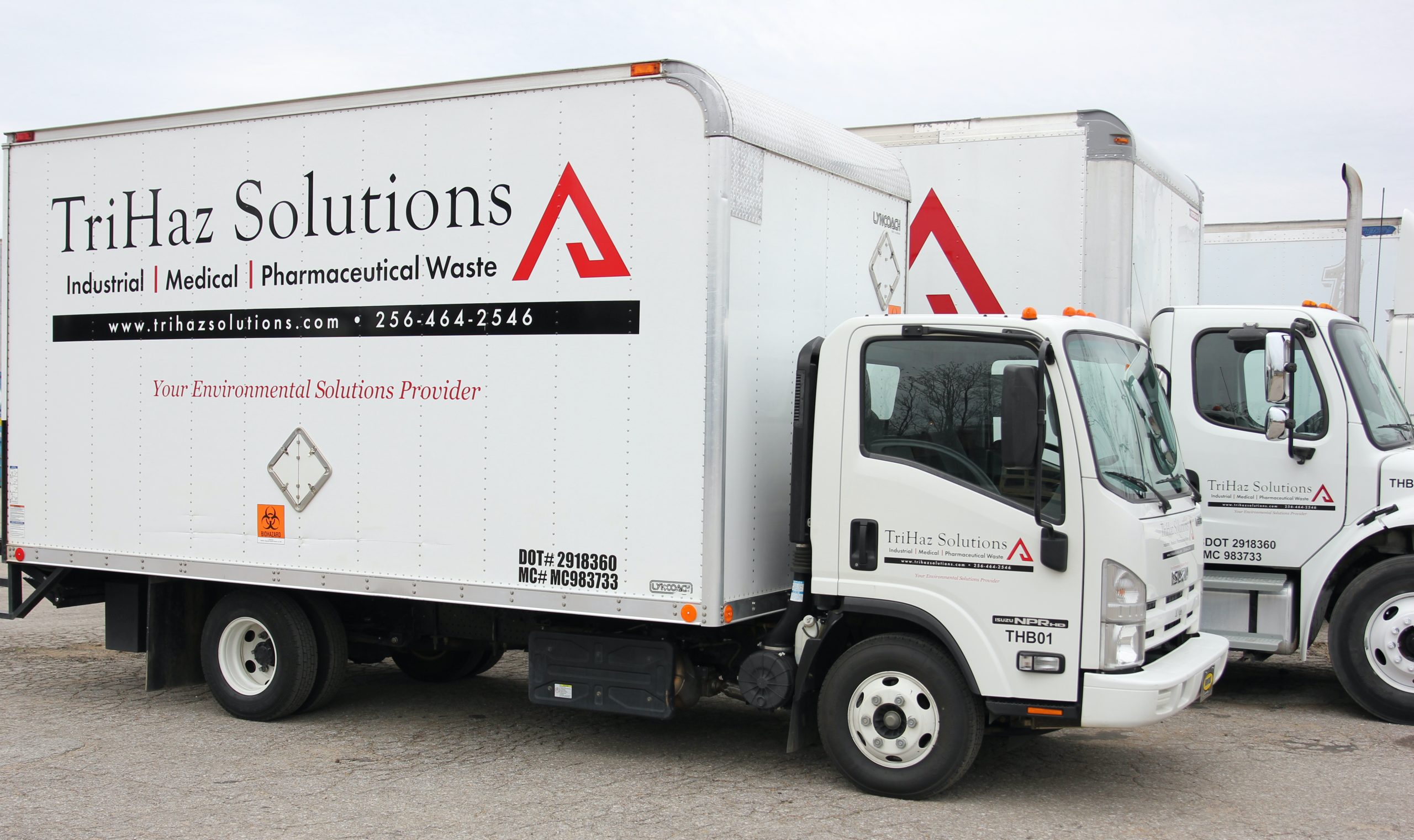
TriHaz Solutions is the leading medical waste disposal company serving Alabama, Tennessee, and the Southeast. Specializing in the safe and compliant management of medical waste, pharmaceutical waste, and hazardous waste.
Hazardous waste in the automotive industry refers to substances and materials that can pose risks to human health and the environment if not properly managed. These wastes are generated during vehicle maintenance, repair, manufacturing, and dismantling activities. Common types of hazardous waste in automotive include:
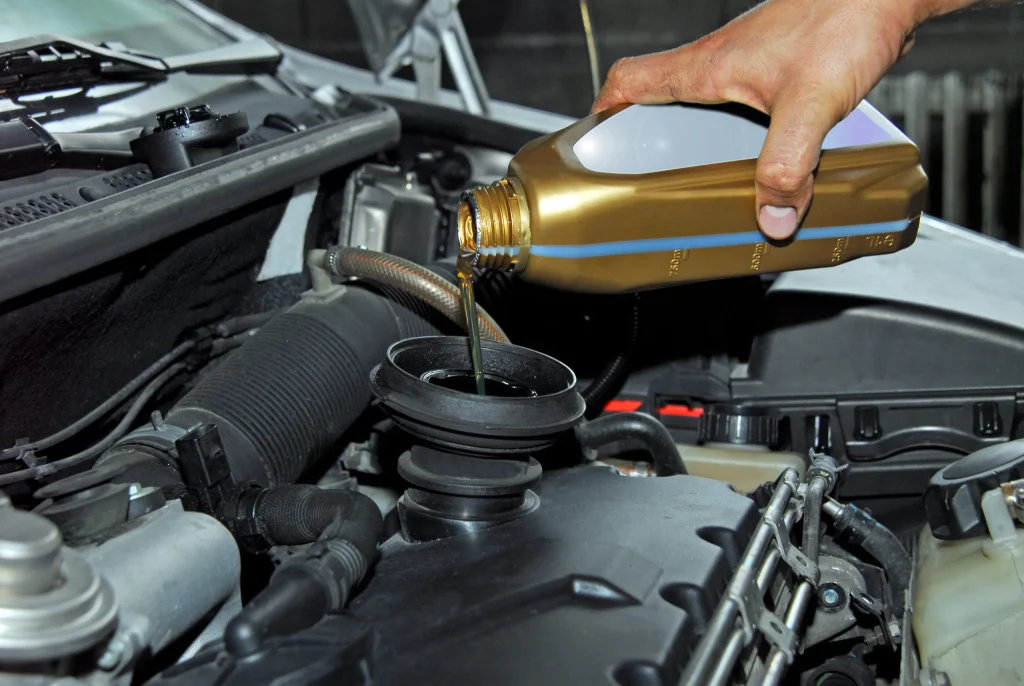
Used motor oil and filters
Antifreeze and coolant fluids
Brake fluid and transmission fluid
Batteries (lead-acid batteries)
Solvents and degreasers used in cleaning parts
Paints, thinners, and other coating materials
Tires (due to the potential for toxic runoff and fire hazards)
Proper handling, storage, and disposal of these materials are crucial to prevent pollution and protect public health.
How Do You Dispose Of Hazardous Waste In Alabama?
In Alabama, the disposal of hazardous waste is regulated by the Alabama Department of Environmental Management (ADEM). Individuals and businesses must follow state and federal guidelines to ensure safe and legal disposal of hazardous materials. Here are the general steps for disposing of hazardous waste in Alabama:
Identify Hazardous Waste: Determine if the waste is hazardous according to state and federal regulations. Common hazardous wastes include chemicals, paints, batteries, and electronic waste.
Segregation and Storage: Segregate hazardous waste from non-hazardous waste and store it in appropriate containers, clearly labeling each container with its contents and hazard classification.
Use of Licensed Hazardous Waste Disposal Services: For individuals, many counties and municipalities in Alabama offer household hazardous waste collection events or facilities where residents can drop off hazardous waste. Businesses generating hazardous waste must contract with licensed hazardous waste haulers and disposal facilities.
Recordkeeping: Businesses must maintain records of hazardous waste generation, storage, and disposal, following ADEM’s guidelines and requirements.
Compliance with Regulations: Ensure compliance with all relevant local, state, and federal regulations regarding hazardous waste disposal, including the Resource Conservation and Recovery Act (RCRA) and ADEM regulations.