
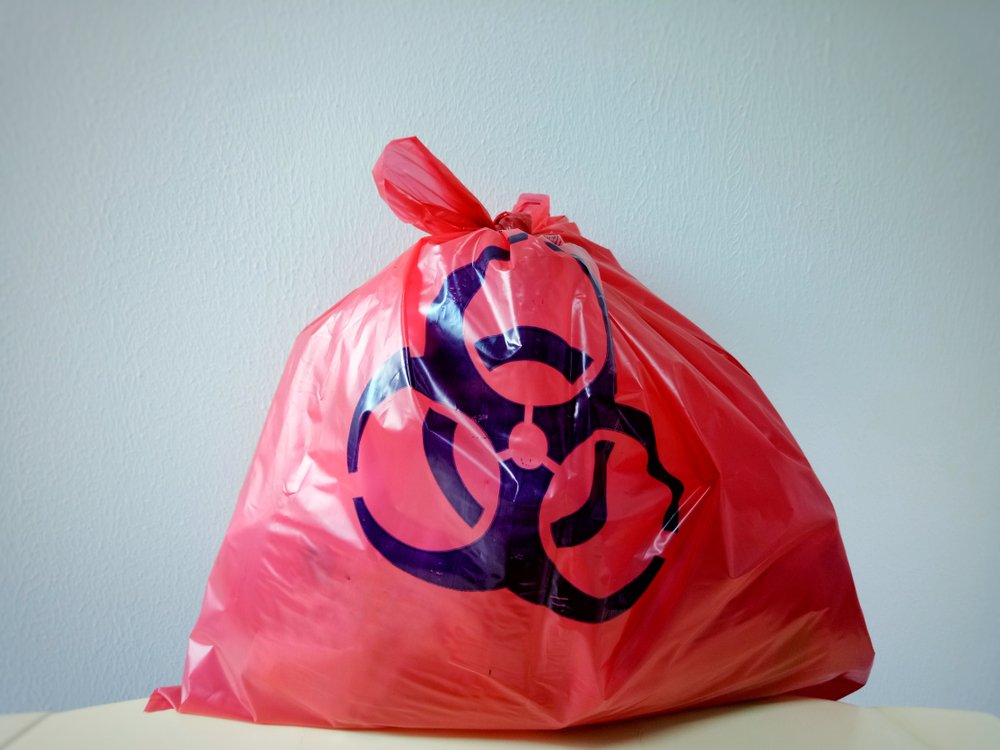
When it comes to managing medical waste, color is more than just a visual cue, it’s a compliance signal. Each bag or container color is assigned to a specific waste stream for a reason: to reduce risk, protect workers, stay compliant, and minimize disposal costs.
In fact, color-coded medical waste systems are now a universal standard in healthcare environments, from small practices to large hospitals.
This guide walks you through the full color spectrum of medical waste containers, what each means, what goes inside, and the cost of getting it wrong.
Why Color Coding Medical Waste Matters
Color-coded waste segregation isn’t just about organization — it’s about risk mitigation and regulatory compliance.
Benefits of Color Coding:
✅ Prevents cross-contamination
✅ Reduces the risk of staff injury
✅ Ensures proper waste treatment (autoclave, incineration, landfill, etc.)
✅ Controls disposal costs
✅ Keeps you compliant with federal and state regulations
Many practices lose thousands each year because too much waste ends up in the wrong container — especially the red bag.
Color Codes for Medical Waste (and What Goes In)
Let’s break down each color code and its assigned waste type:
🔴 Red Biohazard Bags & Bins
Used For:
Blood and blood-soaked items
PPE visibly contaminated with blood or OPIM
Suction canisters, surgical sponges, gauze
Pathological waste (tissue, organs, body parts — in some states)
Red bags are for soft infectious waste — think saturated, dripping, or contaminated.
Do NOT Use For:
Sharps (use white/clear puncture-proof containers)
General waste or lightly soiled items
🟡 Yellow Bags & Containers
Used For:
PPE or tubing contaminated with cytotoxic drugs
Empty IV bags and vials used for chemo
Wipes or pads used during chemo treatment
Label: “CHEMO WASTE” or “TRACE CHEMO”
Treatment Method: Usually incineration
Yellow = chemotherapy precautions. Don’t confuse it with regular infectious waste.
⚫ Black Containers
Used For:
Hazardous pharmaceutical waste (expired meds, bulk chemicals)
Items labeled as toxic, flammable, corrosive, or reactive
Certain solvents and disinfectants
Black bins are reserved for RCRA-hazardous waste, as defined by the EPA.
Do NOT Use For:
Controlled substances (requires DEA disposal process)
Infectious or blood-contaminated waste
🔵 Blue Containers
Used For:
Over-the-counter drugs
Unused antibiotics or injectables
Vitamins, nutritional supplements
Blue containers are ideal for facilities managing high volumes of expired medications that don’t require incineration or hazardous waste processing.
⚪ White or Clear Sharps Containers
Used For:
Needles, syringes, lancets, and scalpel blades
Broken glass or ampoules
Any item capable of cutting, piercing, or puncturing
Sharps containers must be rigid, leak-proof, puncture-resistant, and FDA-cleared.
They may be color-coded white, clear, red, or yellow, depending on the facility — but function matters more than color in this case.
🟢 Green Bags (Occasional Use)
Used For:
Non-infectious biodegradable waste
Some food waste (when composted separately)
Not a regulated medical waste stream
Not standard in all facilities — green bags are more common in eco-certified or LEED facilities.
⚠️ Common Mistakes to Avoid
Even well-meaning staff can make mistakes that cause violations. Here are the most common we see:
🚫 Tossing general trash into red bags (drives up cost)
🚫 Using red for sharps (leads to injuries, violations)
🚫 Using yellow for general infectious waste (incorrect treatment path)
🚫 Placing controlled substances into black bins (DEA violation)
🚫 Forgetting to label containers (DOT transport violation)
Staff Training: The Key to Compliance
Color-coding only works when everyone knows how to use it. Here’s how to make it stick:
Use color-coded signage above every disposal bin
Post visual guides in breakrooms and supply closets
Conduct annual waste segregation training
Include photos of waste examples per bin
Require sign-off from new hires within 7 days
Bonus tip: Many medical waste disposal partners will offer free or bundled training as part of their service contract.
How Color Coding Affects Your Costs
Here’s why color coding is directly tied to your bottom line:
Red bag waste costs up to 10x more to dispose of than general waste
Overuse of red bags is the #1 waste-related cost driver in most practices
Fines from DOT, OSHA, or EPA can range from $5,000 to $93,000 per day
Improper sorting increases risk exposure during audits
Proper segregation = cost savings, compliance confidence, and safer facilities.
Key Takeaways for Color Coding Medical Waste
Use red bags for soft, blood-contaminated waste
Use yellow bags for trace chemotherapy materials
Use black containers for hazardous pharmaceuticals
Use blue bins for non-hazardous drugs
Use white/clear sharps containers for anything that punctures
Train staff regularly and clearly label all containers
Misuse = higher costs, higher risk, and possible fines

SUBSCRIBE TO OUR BLOG
Simplify your job and stay up-to-date on medical and hazardous waste compliance for healthcare and industry.
By subscribing to our blog you agree to our Privacy Policy.