
Medical waste poses significant health and environmental risks if not managed properly. Comprising a wide range of materials, from used needles to contaminated dressings, it’s essential to understand when this waste is at its most hazardous. We discuss the lifecycle of medical waste including where the hazards are greatest, and emphasize the importance of proper waste management protocols.
Point of Generation: The Peak of Hazard
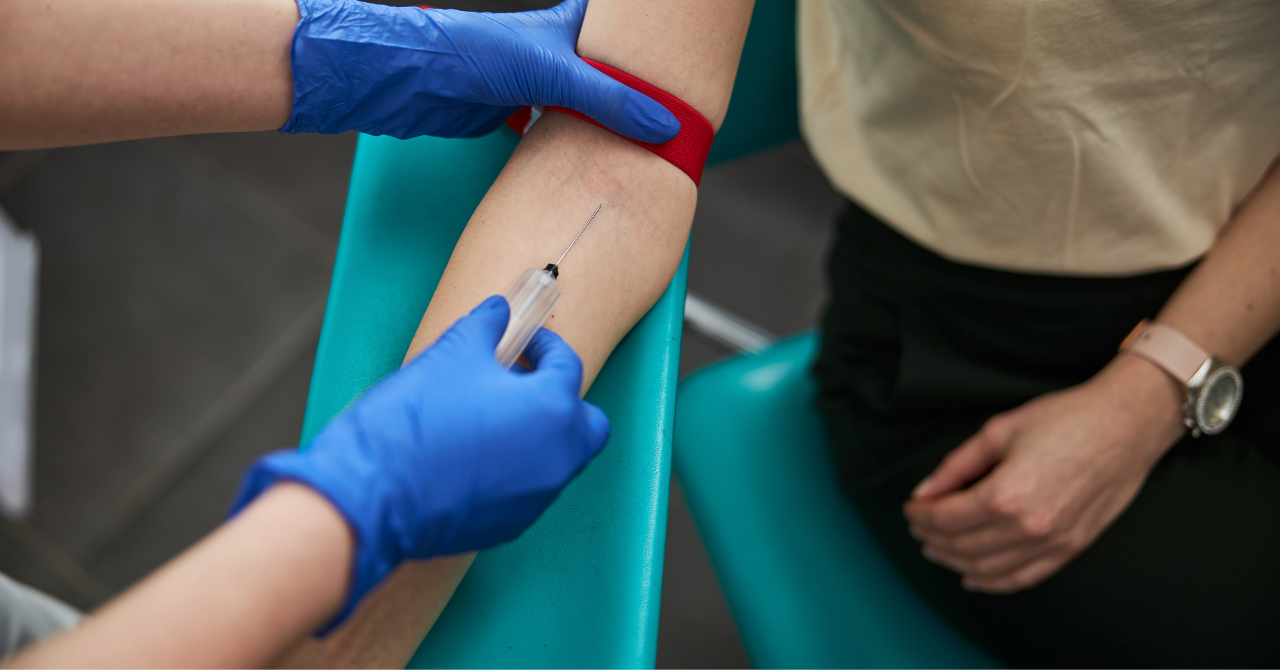
The point of generation is the critical moment when medical waste is most hazardous. This phase occurs in various healthcare settings, including hospitals, laboratories, and clinics, where waste is first created. At this stage, the risk of infection and contamination is highest, primarily due to the fresh nature of the waste, which may include sharps, blood-soaked materials, used surgical instruments, and other items directly exposed to patients or hazardous substances.
Most Hazardous Medical Waste
The immediate danger lies in the potential presence of bloodborne pathogens, infectious agents, or toxic chemicals. It’s imperative that healthcare workers adhere to strict disposal protocols, such as immediate segregation of waste into appropriate containers and minimal handling to reduce the risk of accidental injuries or the spread of contamination. This early stage of medical waste management demands the highest level of attention and care to ensure the safety of healthcare workers, patients, and the subsequent handlers of the waste.
Handling and Segregation: Minimizing Risks
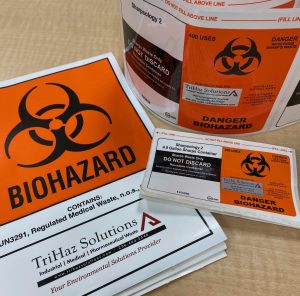
After medical waste is generated, it must be carefully handled and correctly segregated to ensure safety. This process involves categorizing waste into distinct groups, such as sharps, infectious materials, chemical waste, and general waste, each requiring specific disposal methods. The importance of this step lies in preventing cross-contamination and facilitating effective and safe disposal. Personnel handling this waste must be thoroughly trained in identification and segregation techniques and in using appropriate personal protective equipment (PPE) to avoid direct contact with hazardous materials.

Medical Waste Containers
Properly labeled and color-coded containers should be used to distinguish between different types of waste. This not only minimizes the risk of accidental injuries, such as needle-stick injuries from sharps but also reduces the potential spread of infections and ensures that each category of waste is treated and disposed of in the most appropriate and safe manner. This careful segregation at the early stages significantly contributes to the overall effectiveness of medical waste management.
Storage: Awaiting Disposal
The storage phase in medical waste management is a critical period where waste awaits disposal. Proper storage is vital to prevent the proliferation of pathogens and reduce environmental contamination risks. Medical waste must be stored in secure, designated areas that are regularly cleaned and maintained. These areas should be restricted to authorized personnel only to minimize the risk of unauthorized access or accidental exposure.
Medical Waste Storage
The storage environment needs to be well-ventilated and designed to prevent any leakage or spillage. Regular monitoring of storage conditions is essential to ensure compliance with health and safety standards. Additionally, limiting the duration of storage is crucial; the longer medical waste remains stored, the greater the risk of bacterial growth and potential hazards. Adhering to these stringent storage protocols helps maintain a safe environment within healthcare facilities and aids in the effective management of medical waste.
Transportation: Moving with Caution
Transportation is a pivotal stage in the management of medical waste, where careful handling and adherence to safety regulations are paramount. During this phase, medical waste is transported from the healthcare facilities to designated disposal or treatment sites. It is essential to use specialized, leak-proof, and well-marked vehicles to avoid spillage and exposure during transit. Compliance with local and national transportation regulations is critical to ensure that the waste is moved safely and legally, minimizing the risk of environmental contamination or accidents.
Transporting Hazardous Waste
Drivers and personnel involved in the transport process must be trained in handling hazardous materials and emergency response procedures. The implementation of a tracking system can also enhance safety, allowing for the monitoring of the waste from its point of origin to its final destination. This vigilant approach to the transportation of medical waste plays a crucial role in safeguarding public health and the environment from the potential hazards associated with improper handling and disposal.
Disposal: The Final Step
The disposal of medical waste marks the final and critical step in its management lifecycle. This stage is crucial for ensuring that the waste, potentially laden with pathogens, chemicals, or radioactive materials, is rendered harmless. Disposal methods vary depending on the type of waste and include incineration, autoclaving, chemical treatment, and landfilling. Incineration is commonly used for infectious and hazardous waste, effectively neutralizing harmful elements through high-temperature destruction. Autoclaving, on the other hand, utilizes steam sterilization for decontaminating certain types of waste, such as culture dishes and some medical instruments.
Medical Waste Disposal
Chemical treatment is often employed to neutralize the hazardous components of liquid waste. Finally, certain non-hazardous waste can be disposed of in sanitary landfills. These processes must comply with environmental and health regulations to prevent secondary hazards like air or water pollution. Proper disposal not only safeguards public health but also contributes to environmental protection, marking the responsible end of the medical waste management process.
When is Medical Waste Most Hazardous
Medical waste poses the greatest risk at the point of generation and requires vigilant management at each subsequent stage. Adhering to rigorous waste management protocols can significantly mitigate these risks. Hospitals, clinics, and other healthcare facilities must prioritize the proper handling, storage, transportation, and disposal of medical waste to protect public health and the environment.