
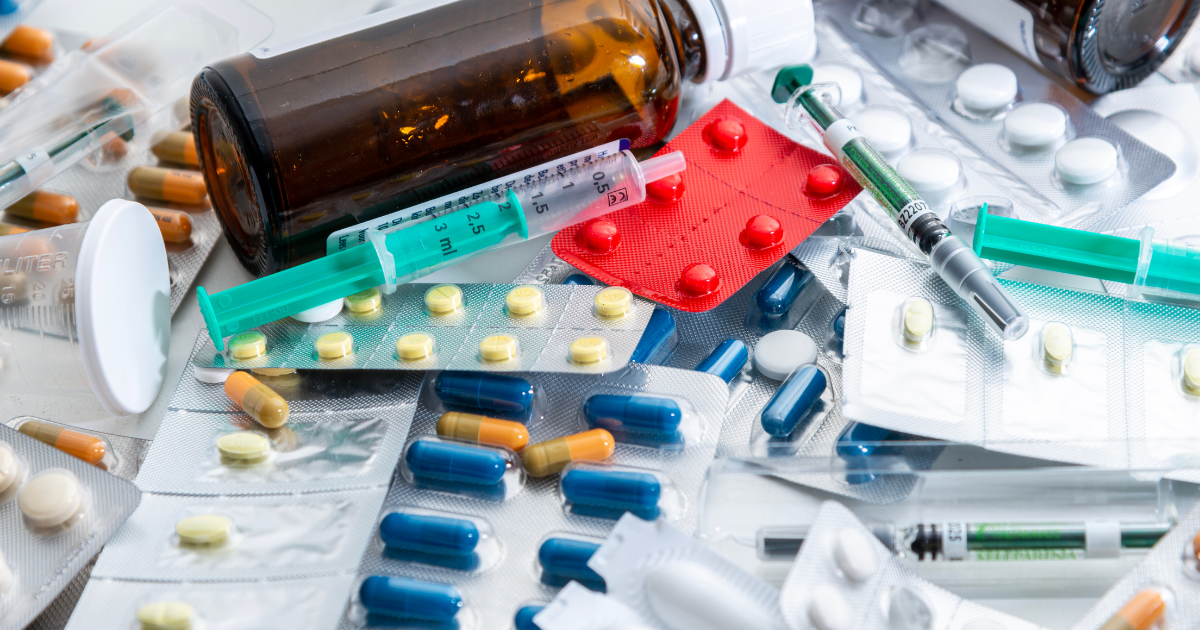
Proper pharmaceutical waste disposal is crucial for protecting public health and the environment. TriHaz Solutions, a leader in pharmaceutical waste disposal, is committed to providing safe and effective disposal methods. This type of waste includes sharps and items that may have come in contact with pharmaceuticals such as gloves or tubing. In this article, we focus on medications and guide you through safely disposing of pharmaceutical waste, ensuring compliance with regulations, and promoting sustainability.
Understanding Pharmaceutical Waste and Medications
Pharmaceutical waste includes expired, unused, contaminated, or otherwise unwanted medications that require proper disposal. It can originate from various sources, including hospitals, clinics, pharmacies, veterinary offices, and households. Proper pharmaceutical waste management is crucial because improper disposal can lead to significant environmental and health risks.
Types of Pharmaceutical Waste
- Expired Medications: Medications that have passed their expiration date and are no longer safe or effective.
- Unused Medications: Medications that are no longer needed by the patient for whom they were prescribed, including over-the-counter drugs.
- Contaminated Medications: Medications that have been exposed to potential contaminants and are unsafe to use.
- Controlled Substances: Medications that are regulated by the DEA due to their potential for abuse and dependence.
Sources of Pharmaceutical Waste
- Healthcare Facilities: Hospitals, clinics, and long-term care facilities generate significant amounts of pharmaceutical waste through patient care activities.
- Pharmacies: Retail and compounding pharmacies produce waste through expired stock and returned medications.
- Veterinary Clinics: These facilities generate pharmaceutical waste through the treatment of animals.
- Households: Consumers generate pharmaceutical waste through unused or expired medications stored at home.
The Risks of Improper Disposal
Improper disposal of pharmaceutical waste can lead to severe environmental and public health consequences. Understanding these risks highlights the importance of proper disposal practices and regulations.
Environmental Impact
Water Contamination
Pharmaceuticals disposed of in the trash or flushed down toilets can leach into water systems. Wastewater treatment plants are not always equipped to remove these substances, contaminating rivers, lakes, and drinking water.
Contaminated water can harm aquatic life, disrupt ecosystems, and cause long-term damage to wildlife. For instance, hormones and antibiotics in water sources can affect the reproductive systems of fish and other aquatic organisms.
Soil Pollution
Pharmaceuticals in landfills can seep into the soil, contaminating the ground and potentially affecting plant life. Over time, these contaminants can enter the food chain, posing risks to animals and humans.
Air Pollution
Incinerating pharmaceutical waste without proper controls can release toxic pollutants into the air. These emissions can contribute to air quality degradation and respiratory problems in nearby communities.
Public Health Hazards
Accidental Poisoning
Unused or expired medications left in homes can be accidentally ingested by children or pets, leading to poisoning and severe health complications. Proper disposal prevents these accidents and ensures that medications do not fall into the wrong hands.
Drug Abuse and Misuse
Pharmaceuticals, especially controlled substances, can be misused if not disposed of properly. People may retrieve these medications from the trash, leading to potential abuse, addiction, and overdose.
Antibiotic Resistance
Improper disposal of antibiotics can contribute to the development of antibiotic-resistant bacteria. When antibiotics enter the environment, they can promote the growth of resistant strains, making it harder to treat infections and posing a significant threat to public health.
Healthcare Facility Risks
In healthcare settings, improper disposal of pharmaceutical waste can expose healthcare workers to hazardous substances, increasing the risk of injury and illness. Proper protocols and training are essential to protect staff and ensure safe handling and disposal of medications.
Legal and Financial Consequences
Regulatory Non-Compliance
Failure to comply with disposal regulations can result in hefty fines and legal penalties for healthcare facilities, pharmacies, and other organizations. Compliance is crucial to avoid legal repercussions and maintain a good standing with regulatory authorities.
Reputation Damage
Organizations that improperly dispose of pharmaceutical waste risk damaging their reputation. Public trust can be eroded if a facility is found to be negligent in managing hazardous waste, potentially leading to a loss of business and community support.
Safe Disposal Methods
Proper pharmaceutical waste disposal is essential for protecting the environment and public health. Here are some of the most effective and compliant methods for safely disposing of pharmaceutical waste.
Drug Take-Back Programs
TriHaz Solutions does not offer drug take-back for individuals; however, the United States Drug Enforcement Agency (DEA) offers a nationwide Find a Drug Take Back Location map to find disposal locations. Primarily for expired prescriptions and used by the general public, these drop-offs offer a convenient way to dispose of unused medication. (Some of the options listed below are included in this map.)
Medical practices may be able return unused medication to the manufacturer, register with a reverse distributor authorized by the DEA to receive and destroy drugs, or partner with a local medical waste services company for collection and disposal.
Community Collection Events
One of the safest and most convenient methods for disposing of pharmaceutical waste is through community drug take-back programs. These events are often organized by local governments, law enforcement agencies, or pharmacies. They provide a secure way for individuals to dispose of unused or expired medications, ensuring they are managed and disposed of properly.
Permanent Drop-Off Locations
Many communities have established permanent drop-off locations where individuals can bring their unwanted medications year-round. These locations are typically found at pharmacies, hospitals, or police stations. Utilizing these drop-off points helps prevent pharmaceuticals from entering the environment and reduces the risk of accidental poisoning or misuse.
Mail-Back Programs
TriHaz Solutions does offer mail-back solutions.
Pre-Paid Shipping Envelopes
Mail-back programs offer another safe and convenient disposal option. Individuals can obtain pre-paid shipping envelopes from participating pharmacies or disposal services. Once the medications are placed in the envelope, they can be mailed to a designated disposal facility. This method ensures that pharmaceuticals are securely transported and disposed of in compliance with regulatory standards.
Environmental Benefits
Mail-back programs provide a secure disposal method and help reduce pharmaceutical waste’s environmental impact. By centralizing the disposal process, these programs minimize the potential for local contamination and ensure that medications are handled by professionals trained in proper waste management.
In-Home Disposal Methods
Mixing with Unpalatable Substances
Certain medications can be disposed of at home using specific methods when take-back or mail-back programs are unavailable. One effective method is to mix the medications with unpalatable substances such as coffee grounds, cat litter, or dirt. This makes the medications less appealing to children, pets, or individuals looking to misuse them. The mixture should be placed in a sealed plastic bag and thrown in the household trash.
Disposal in Household Trash
Some medications can be safely disposed of in the household trash, but it is essential to follow specific guidelines:
- Remove Personal Information: Before disposing of medication containers, ensure that any personal information on prescription labels is removed or obscured to protect your privacy.
- Follow Label Instructions: Always check the medication label or patient information leaflet for specific disposal instructions. Some medications have unique disposal requirements to prevent environmental harm.
- Check the FDA Flush List: When a take-back progam is not available, it’s important to check the FDA’s Flush List to make sure the medication is not on it before throwing it in the trash. (These are medicines that could be especially harmful to others.)
The Role of Professional Disposal Services
TriHaz Solutions
At TriHaz Solutions, we specialize in the safe and compliant disposal of pharmaceutical waste. We offer a range of services tailored to healthcare facilities, pharmacies, and home health agencies, ensuring that medications are disposed of responsibly and in accordance with regulations. We also provide necessary resources and information for individuals to properly dispose of this type of waste.
Comprehensive Disposal Services
Our services include on-site collection options and mail-back programs. We work closely with our customers to develop customized disposal plans that meet their specific needs and regulatory requirements. Our goal is to provide effective and environmentally responsible disposal solutions to protect public health and the environment.
Education and Training
Raising Awareness
TriHaz Solutions is committed to raising awareness about the importance of proper pharmaceutical waste disposal. We provide education and training to healthcare professionals, pharmacies, and the public to promote safe disposal practices. By educating our clients and the community, we aim to reduce the risks associated with improper disposal and encourage responsible waste management.
How to Safely Dispose of Pharmaceutical Waste
Safe disposal of pharmaceutical waste is crucial for protecting our environment and public health. By utilizing professional medical waste disposal services, drug take-back programs, mail-back solutions, and proper in-home disposal methods, we can ensure that medications are managed responsibly. TriHaz Solutions is dedicated to providing effective disposal services and promoting safe practices. Contact us today to learn more about our pharmaceutical waste disposal services and how we can help you manage your waste responsibly.
For more information on safe pharmaceutical waste disposal, visit our website or contact TriHaz Solutions directly. Together, we can make a difference in protecting our communities and the environment.