Laboratory Waste Disposal | TriHaz Solutions
Read more

How Do You Dispose of Samples in the Laboratory?

The disposal of laboratory samples depends on their type and the chemicals or substances they contain. Biological samples may require autoclaving before disposal to neutralize any pathogens. Chemical samples often need to be neutralized or rendered non-hazardous before disposal, following specific chemical disposal guidelines. Radioactive samples must be disposed of according to regulations for radioactive waste, often requiring containment and specialized disposal services. Always follow your institution’s waste disposal protocols and any applicable local, state, and federal regulations.

What Is the Proper Way to Dispose of All Materials Used During the Lab?

Proper disposal of materials used during lab work involves segregating waste into sharps, biological, chemical, radioactive, and general waste. Each category has specific disposal methods:
  • Sharps should be placed in puncture-resistant containers.
  • Biological waste may need to be autoclaved or incinerated.
  • Chemical waste often requires neutralization or dilution, following specific disposal procedures.
  • Radioactive waste requires containment and special handling according to regulatory standards.
  • General waste can be disposed of like regular trash if not contaminated with hazardous materials.

What Are the Best Practices for Safely Handling Waste in Lab?

Best practices for safely handling waste in the lab include:
  • Clearly labeling waste containers by type (biological, chemical, radioactive, etc.).
  • Using appropriate containers for different types of waste (e.g., sharps containers for needles).
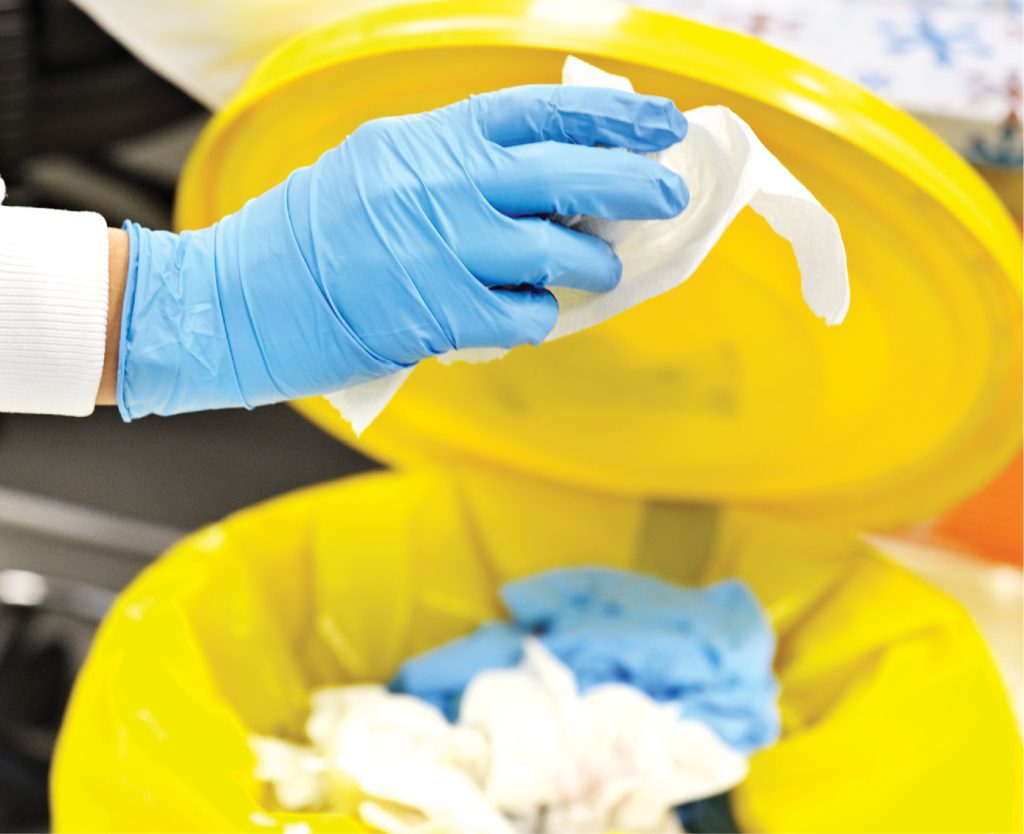
  • Wearing personal protective equipment (PPE) when handling and disposing of waste.
  • Ensuring that waste is segregated at the point of generation to avoid cross-contamination.
  • Following institutional and regulatory guidelines for waste storage, treatment, and disposal.

Where Should You Discard of Solid Waste From a Laboratory Experiment?

Solid waste from a laboratory experiment should be discarded based on the waste type in designated containers. Non-hazardous solid waste can go into regular trash bins, provided it’s not contaminated. Hazardous, chemical, or biological solid waste must be placed in appropriately labeled containers designed for hazardous waste. These containers are then handled according to the lab’s waste management procedures and regulatory requirements.

What Should You Consider Before Disposing of Waste in the Lab?

Before disposing of waste in the lab, consider:
  • The nature of the waste (chemical, biological, radioactive, non-hazardous).
  • The potential hazards associated with the waste.
  • The appropriate disposal method and container for each type of waste.
  • Local, state, and federal regulations governing waste disposal.
  • The impact of the disposal method on the environment and human health.

Where Typically Should Chemical Waste Be Disposed of in a Chemistry Lab?

In a chemistry lab, chemical waste should typically be disposed of in designated chemical waste containers clearly labeled with the contents and hazard symbols. These containers are then stored in a designated hazardous waste accumulation area until they can be treated, neutralized, or picked up by a certified hazardous waste disposal service in compliance with regulatory requirements.

What Are the 5 Types of Laboratory Waste?

The 5 types of laboratory waste include:
  1. Chemical Waste: Substances that are toxic, corrosive, flammable, or reactive.
  2. Biological Waste: Any waste containing or potentially contaminated with biohazardous materials.
  3. Radioactive Waste: Waste containing radioactive substances.
  4. Sharps Waste: Items that can puncture or slice, such as needles and glass slides.
  5. Non-Hazardous Waste: Waste that does not pose a biological, chemical, or radioactive hazard.

How Do You Dispose of Liquid Waste in a Lab?

Disposal of liquid waste in a lab involves identifying whether the waste is chemical, biological, or radioactive and treating it accordingly:
  • Chemical liquid waste may need to be neutralized or diluted before being disposed of in specific chemical waste containers or, for some non-hazardous materials, down the drain with plenty of water (following institutional policies and local wastewater regulations).
  • Biological liquid waste often requires autoclaving or treatment with a disinfectant before disposal.
  • Radioactive liquid waste requires containment and disposal according to strict regulatory standards for radioactive materials.


Laboratory Waste Disposal

Laboratory waste disposal is a critical aspect of maintaining a safe and environmentally friendly laboratory environment. If you are a lab manager or administrator, you know that a significant portion of the waste generated during a typical workday falls under the category of regulated waste. Medical and hazardous waste must be strictly managed for compliance. Trust TriHaz Solutions to prepare your lab packs and properly handle your laboratory waste disposal needs.

    TRUSTED BY HOSPITALS & MEDICAL fACILITIES IN THE SOUTHEAST

    TESTIMONIALS

    Serving Medical Facilities Across the Southeast

    Why Our Medical Waste Disposal Company?

    Highly Qualified

    Our team is highly qualified and has the experience to get the job done right. With years of experience, we have the knowledge and expertise to help you with your specific needs.

    Reliability & Safety

    When you work with TriHaz Solutions for your medical waste disposal requirements you’re working with a reliable partner who can help you reduce risk for your patients and employees.

    We offer staff compliance training for your staff regarding OSHA, DOT, and HIPAA. This is important to ensure that your staff is up-to-date on the latest compliance regulations.

    Sharps Disposal Made Easy

    Safe, Simple & Compliant!

    Our mail-back sharps disposal system includes an FDA-compliant container and prepaid return shipping for hassle-free disposal.

    Laboratory Waste Disposal

    TriHaz Solutions

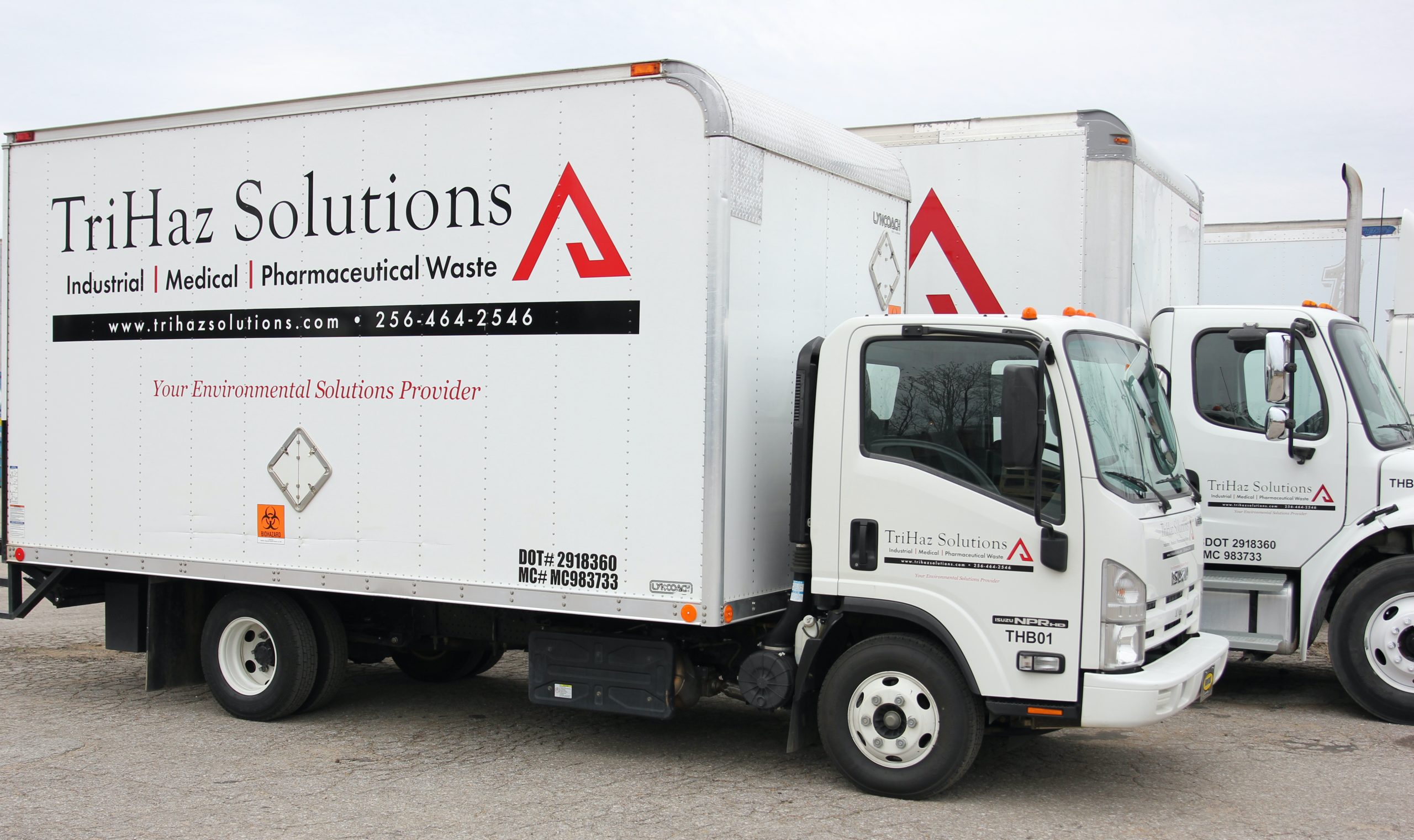
    TriHaz Solutions is the leading medical waste disposal company serving Alabama, Tennessee, and the Southeast. Specializing in the safe and compliant management of medical waste, pharmaceutical waste, and hazardous waste.

    Request Free Medical Waste Quote

      Trusted Medical Waste Disposal Company

      Medical Practices and Industries in the Southeast

      How Do You Dispose of Samples in the Laboratory?

      The disposal of laboratory samples depends on their type and the chemicals or substances they contain. Biological samples may require autoclaving before disposal to neutralize any pathogens. Chemical samples often need to be neutralized or rendered non-hazardous before disposal, following specific chemical disposal guidelines. Radioactive samples must be disposed of according to regulations for radioactive waste, often requiring containment and specialized disposal services. Always follow your institution’s waste disposal protocols and any applicable local, state, and federal regulations.

      What Is the Proper Way to Dispose of All Materials Used During the Lab?

      Proper disposal of materials used during lab work involves segregating waste into sharps, biological, chemical, radioactive, and general waste. Each category has specific disposal methods:
      • Sharps should be placed in puncture-resistant containers.
      • Biological waste may need to be autoclaved or incinerated.
      • Chemical waste often requires neutralization or dilution, following specific disposal procedures.
      • Radioactive waste requires containment and special handling according to regulatory standards.
      • General waste can be disposed of like regular trash if not contaminated with hazardous materials.

      What Are the Best Practices for Safely Handling Waste in Lab?

      Best practices for safely handling waste in the lab include:
      • Clearly labeling waste containers by type (biological, chemical, radioactive, etc.).
      • Using appropriate containers for different types of waste (e.g., sharps containers for needles).
      • Wearing personal protective equipment (PPE) when handling and disposing of waste.
      • Ensuring that waste is segregated at the point of generation to avoid cross-contamination.
      • Following institutional and regulatory guidelines for waste storage, treatment, and disposal.

      Where Should You Discard of Solid Waste From a Laboratory Experiment?

      Solid waste from a laboratory experiment should be discarded based on the waste type in designated containers. Non-hazardous solid waste can go into regular trash bins, provided it’s not contaminated. Hazardous, chemical, or biological solid waste must be placed in appropriately labeled containers designed for hazardous waste. These containers are then handled according to the lab’s waste management procedures and regulatory requirements.

      What Should You Consider Before Disposing of Waste in the Lab?

      Before disposing of waste in the lab, consider:
      • The nature of the waste (chemical, biological, radioactive, non-hazardous).
      • The potential hazards associated with the waste.
      • The appropriate disposal method and container for each type of waste.
      • Local, state, and federal regulations governing waste disposal.
      • The impact of the disposal method on the environment and human health.

      Where Typically Should Chemical Waste Be Disposed of in a Chemistry Lab?

      In a chemistry lab, chemical waste should typically be disposed of in designated chemical waste containers clearly labeled with the contents and hazard symbols. These containers are then stored in a designated hazardous waste accumulation area until they can be treated, neutralized, or picked up by a certified hazardous waste disposal service in compliance with regulatory requirements.

      What Are the 5 Types of Laboratory Waste?

      The 5 types of laboratory waste include:
      1. Chemical Waste: Substances that are toxic, corrosive, flammable, or reactive.
      2. Biological Waste: Any waste containing or potentially contaminated with biohazardous materials.
      3. Radioactive Waste: Waste containing radioactive substances.

      4. Sharps Waste: Items that can puncture or slice, such as needles and glass slides.

      5. Non-Hazardous Waste: Waste that does not pose a biological, chemical, or radioactive hazard.

      How Do You Dispose of Liquid Waste in a Lab?

      Disposal of liquid waste in a lab involves identifying whether the waste is chemical, biological, or radioactive and treating it accordingly:
      • Chemical liquid waste may need to be neutralized or diluted before being disposed of in specific chemical waste containers or, for some non-hazardous materials, down the drain with plenty of water (following institutional policies and local wastewater regulations).
      • Biological liquid waste often requires autoclaving or treatment with a disinfectant before disposal.
      • Radioactive liquid waste requires containment and disposal according to strict regulatory standards for radioactive materials.