
When your facility generates medical waste, your responsibility doesn’t end at disposal, it ends at destruction.
Under cradle-to-grave liability, you are legally responsible for ensuring that all regulated medical waste (RMW) is properly treated and rendered non-infectious. Failure to do so can lead to heavy fines, OSHA/EPA violations, and serious risk to public health.
So what are the acceptable treatments for regulated medical waste?
Let’s walk through the 4 most commonly used, legally recognized methods.
Why Medical Waste Must Be Treated Before Disposal
Medical waste contains infectious agents, chemical contaminants, and sharps hazards that can spread disease or injury if not properly treated.
State and federal regulations (like those from OSHA, EPA, DOT, and ADEM) require that waste be treated to neutralize biological or chemical risks before it is sent to a landfill or destroyed permanently.
The 4 Primary Medical Waste Treatment Methods
1. Autoclaving (Steam Sterilization)
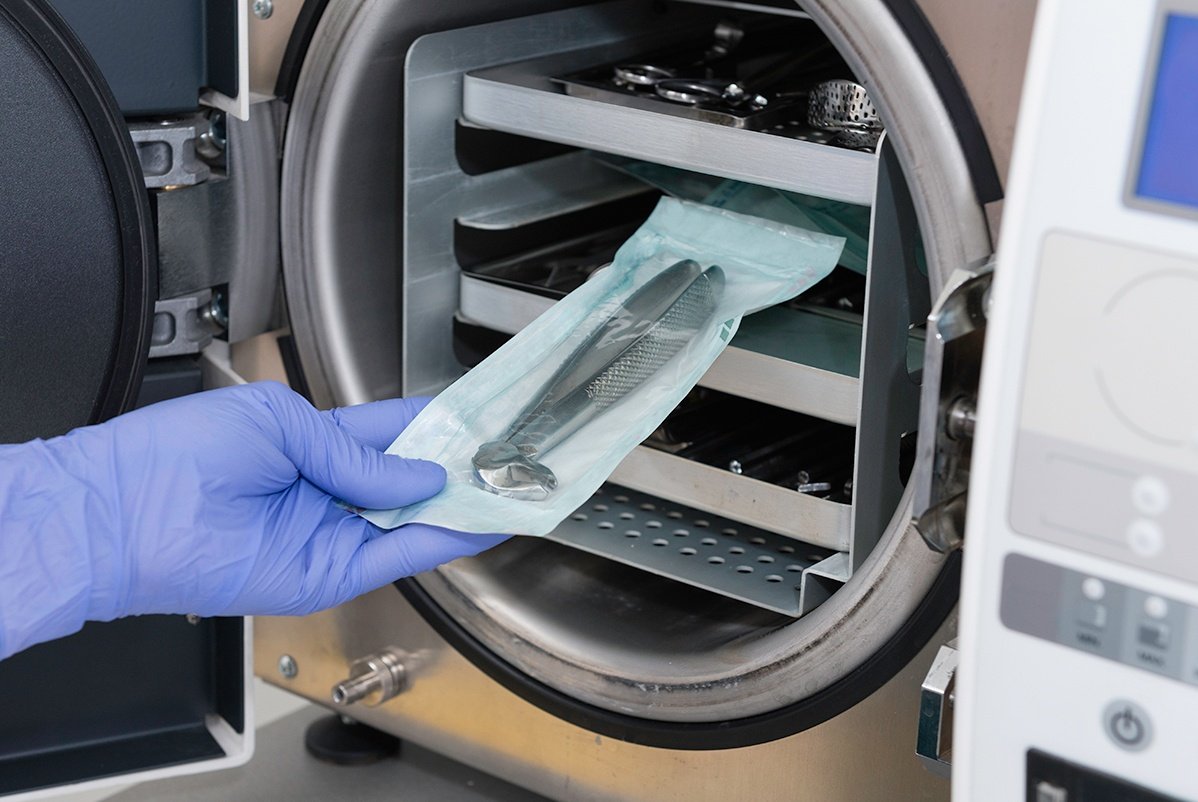
Autoclaving is the most commonly used and cost-effective method of medical waste treatment.
Autoclaves use pressurized steam at high temperatures (usually 250–300°F) to sterilize waste. The process kills bacteria, viruses, and pathogens on contact.
Best For:
Used sharps (needles, scalpels)
Bandages, gauze, and soaked PPE
Waste with blood or bodily fluids
Not Suitable For:
Pharmaceutical waste
Chemotherapy waste
Hazardous chemicals
Compliance Tip:
Autoclaves must be tested for effectiveness every 40 hours of operation using biological indicators.
2. Chemical Disinfection
Chemical treatment involves applying powerful disinfectant chemicals to medical waste, especially liquid waste streams.
Often used for blood, urine, or laboratory waste, this method requires shredding solid waste before chemical exposure for full contact.
Best For:
Liquid infectious waste
Lab cultures
Not Suitable For:
Bulk pharmaceuticals
Chemotherapy waste
Solid waste that cannot be shredded
Note: Disinfected waste is usually not sterile and may still require further treatment or incineration.
3. Microwave Treatment
Microwave waste treatment uses high-frequency microwaves to heat waste internally, sterilizing it through rapid temperature increase.
Often, moisture is added to the waste before treatment to optimize heating and pathogen destruction.
Best For:
Shredded sharps and soft waste (gauze, gowns, gloves)
Moisture-containing waste
Not Suitable For:
Hard-to-shred items
Chemotherapy waste
Pharmaceuticals
Limitations: Dry or dense waste may require pre-treatment or alternate methods.
4. Incineration
Incineration involves burning medical waste at temperatures over 1,000°C, reducing it to ash and neutralizing all biological and chemical threats.
This is the only compliant method for destroying certain types of pharmaceutical and chemotherapy waste.
Best For:
Trace chemotherapy waste
Pharmaceutical waste (non-RCRA hazardous)
Pathological waste (organs, tissues)
Not Suitable For:
Explosives or highly volatile substances
Some hazardous chemicals that emit toxic gases when burned
Benefit: Incineration reduces waste volume by up to 90%.
Medical Waste Treatment Comparison Table
| Treatment Method | Suitable For | Not Suitable For | Common Use Case |
|---|---|---|---|
| Autoclaving | Infectious waste, sharps, PPE | Pharmaceuticals, chemo waste | Hospital RMW sterilization |
| Chemical | Liquid waste | Bulk waste, trace chemo | Lab & clinical waste |
| Microwave | Moist waste, shredded items | Dry, unshreddable items | Outpatient clinics |
| Incineration | Pathological, chemo, pharma | Explosives, certain toxics | Trace chemo, expired meds |
In-House Treatment vs. Outsourced Medical Waste Services
While some large hospitals operate their own autoclaves, most facilities outsource medical waste treatment to licensed providers.
Outsourcing ensures:
✅ All waste is treated according to current EPA, DOT, and state guidelines
✅ Documentation and certificates of destruction are provided
✅ Your facility avoids the cost and liability of in-house equipment
Key Takeaways
Medical waste must be treated before disposal to comply with OSHA, EPA, DOT, and state laws.
The 4 primary treatment methods are autoclaving, chemical disinfection, microwave treatment, and incineration.
Choosing the right method depends on the waste type, and some wastes (like chemo or pharma) require incineration only.
Most facilities benefit from partnering with a fully licensed medical waste provider to ensure compliance and reduce liability.
SUBSCRIBE TO OUR BLOG
Simplify your job and stay up-to-date on medical and hazardous waste compliance for healthcare and industry.
By subscribing to our blog you agree to our Privacy Policy.