
What Do Hospitals Do with Medical Waste

What Do Hospitals Do With Medical Waste?

As a key aspect of healthcare operations, the management of medical waste is a critical responsibility for hospitals. Handling medical waste safely and effectively is vital to ensure the safety of healthcare workers, patients, and the environment. We dive into the various steps and measures hospitals take to manage medical waste, highlighting the importance of each stage in the process.

Identification and Segregation of Medical Waste

At the core of effective medical waste management in hospitals is the crucial identification and segregation process. This initial step involves meticulously categorizing waste at the point of generation into distinct groups based on the type and hazard level. Hospitals systematically distinguish between sharps, infectious materials, pharmaceutical waste, radioactive items, and general waste. This segregation is facilitated through the use of color-coded bins and clear labeling, making it straightforward for healthcare workers to dispose of waste in the appropriate containers.

Reducing Hospital Waste Risk

With proper segregation and labeling, hospitals can significantly reduce the risk of cross-contamination and ensure that each type of waste receives the specific treatment and disposal method it requires. This meticulous categorization enhances safety within the healthcare environment and streamlines the subsequent steps of handling, transportation, and final disposal of medical waste.

Hospital Safe Storage Practices

Safe storage practices are paramount to maintaining a secure and hygienic healthcare environment in the management of medical waste. Following segregation, hospitals store medical waste in designated areas that are equipped to handle the specific risks associated with each waste type. These areas are secured, accessible only to authorized personnel, and designed to prevent accidental spillage or contamination.

Hospital Health Compliance

Storage areas are also regularly cleaned and monitored to ensure health and safety standards compliance. The storage conditions, such as temperature and ventilation, are meticulously maintained to inhibit the growth of pathogens and reduce odors. Additionally, the duration of storage is carefully managed to avoid the accumulation of waste, thereby minimizing the risk of infection and environmental harm. This careful approach to storage is a critical component in the chain of medical waste management, ensuring that waste is safely contained until it is ready for transportation and final disposal.

Hospital Transportation Protocols
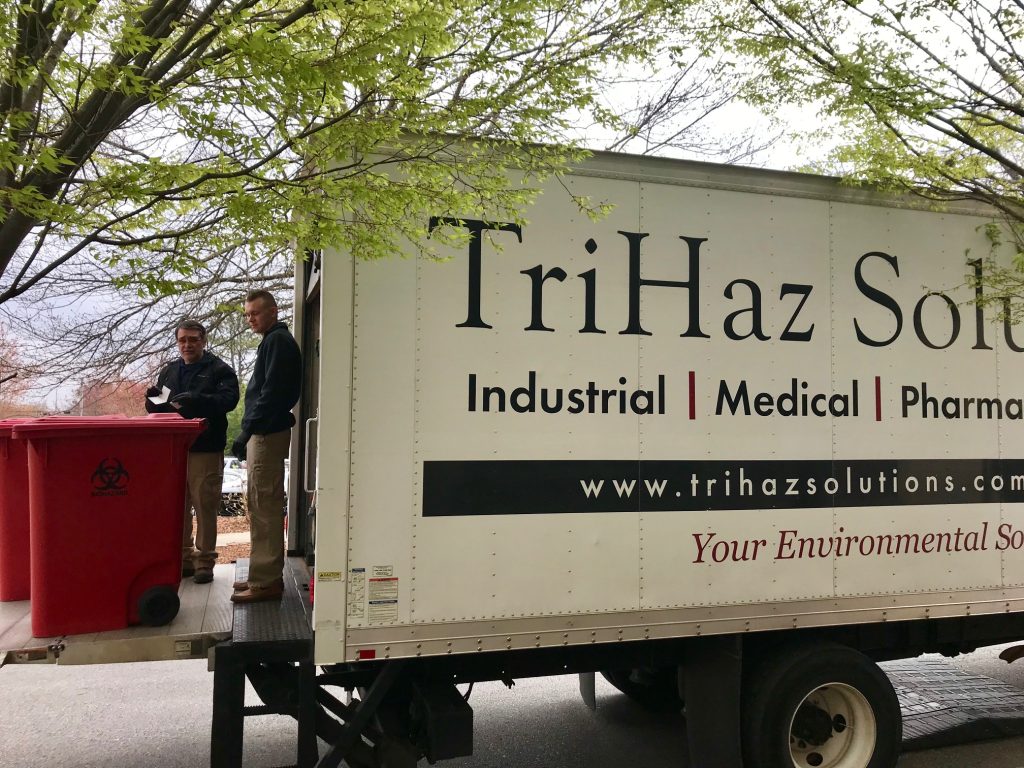
Transportation of medical waste from hospitals to disposal or treatment facilities is a sensitive operation that requires meticulous protocols to ensure safety and compliance. Hospitals adopt rigorous procedures for this critical phase. Medical waste is transferred using specialized, secure containers and vehicles that are specifically designed to prevent leaks and spills. Most hospitals trust companies like TriHaz Solutions if they’re going to transport their medical waste for treatment and disposal.

Where Does TriHaz Solutions Medical Waste Go

Medical Waste Treatment Methods

The treatment of medical waste is a crucial step in neutralizing its hazards before disposal. Hospitals use various methods tailored to the specific types of waste they handle. For infectious and biohazardous materials, autoclaving is commonly employed. This process involves high-pressure steam sterilization, effectively eliminating pathogens and rendering the waste safe for further handling.

Medical Waste Treatment

In the case of more hazardous materials, like certain chemicals and pharmaceuticals, incineration is the preferred method. Incineration involves burning the waste at high temperatures, reducing it to ash, and destroying harmful contaminants and pathogens. Additionally, some liquid wastes are subjected to chemical treatment to neutralize any hazardous components, ensuring they don’t pose a risk after disposal.

Medical Waste Disposal Methods

Once treated, the disposal of medical waste is carefully executed. Non-infectious waste, post-treatment, can often be disposed of in sanitary landfills. This is done following specific treatment protocols that ensure the waste poses no environmental or health risks. Compliance with environmental and health regulations is paramount in all disposal methods to prevent secondary air, water, or soil contamination.

Medical Waste Disposal

Given these processes’ complexity and critical nature, hospitals frequently partner with specialized waste management companies. These companies are equipped to handle the diverse requirements of medical waste disposal, ensuring that each type of waste is dealt with in the most environmentally responsible and legally compliant manner. This comprehensive and conscientious approach to medical waste disposal plays a vital role in protecting public health and preserving the ecological balance.

Hospital Training and Compliance

Effective training of hospital staff is a fundamental aspect of medical waste management. Hospitals invest in comprehensive training programs to ensure that all personnel involved in handling medical waste are well-informed about the risks and proper procedures. This training encompasses identifying and segregating different types of waste, correctly using personal protective equipment (PPE), and the protocols for safe handling, storage, and disposal. Staff are educated about the potential hazards associated with medical waste, such as exposure to infectious agents, sharps injuries, and chemical spills. Regular refresher courses are conducted to keep staff knowledge up-to-date and to introduce new practices or regulatory changes. This focus on training is crucial for the safety of healthcare workers and the effectiveness of the overall waste management process.

What Do Hospitals Do With Medical Waste

Hospitals play a critical role in ensuring that medical waste is managed in a manner that protects public health and the environment. From segregation to disposal, every step is taken with utmost care and in accordance with stringent regulatory standards. By partnering with specialized waste management services like Trihaz Solutions, hospitals can efficiently navigate the complexities of medical waste management, ensuring a safer and healthier community.