
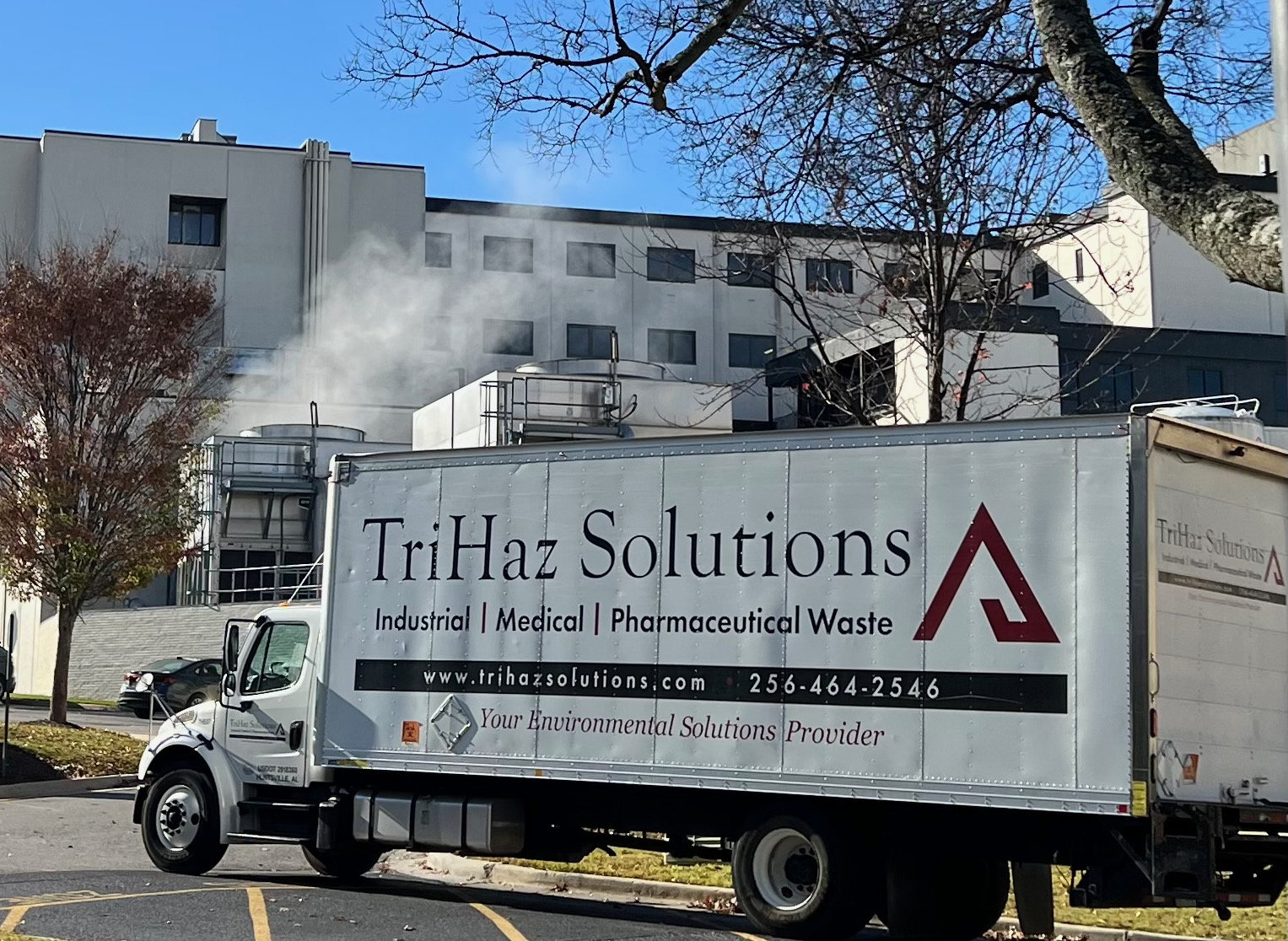
Medical waste, including items like syringes, bandages, and discarded medicines, poses significant health risks if not disposed of properly. Originating from various healthcare settings, including hospitals and laboratories, this waste requires meticulous handling to ensure public safety and environmental protection. The process of medical waste management is a complex journey involving several key steps from generation to final disposal.
The Steps of Where Medical Waste Goes
The first step in managing medical waste involves its collection and segregation at the source, ensuring different types of waste (infectious, hazardous, radioactive, etc.) are treated appropriately. This is followed by safe transportation to disposal facilities, adhering to strict regulations and guidelines. At these facilities, medical waste undergoes treatment methods like autoclaving, incineration, or chemical disinfection, each chosen based on the waste type and environmental considerations.
Where Does TriHaz Solutions’ Medical Waste Go?
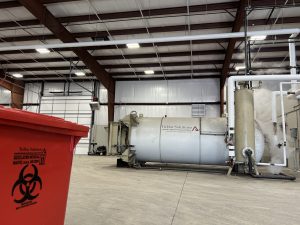
TriHaz Solutions has a unique advantage with its own medical waste treatment facility. TriHaz transports medical waste back to its treatment facility in Huntsville, Alabama, and then uses its own autoclave to properly treat the waste.
Regulations for Where Medical Waste Goes
Medical waste disposal has strict regulatory oversight, encompassing OSHA standards and various state-specific directives aimed at reducing health hazards. Adherence to these regulations is essential for healthcare institutions to circumvent legal consequences and safeguard public welfare. Moreover, the ecological consequences of disposal techniques, particularly incineration, demand ongoing scrutiny and enhancement to diminish their contribution to pollution and the emission of greenhouse gases.
Medical Waste Treatment Methods
Medical waste treatment involves various methods tailored to the type of waste and environmental considerations.
Autoclaving
Autoclaves use steam under pressure, which is ideal for sterilizing non-chemically hazardous items like glassware and non-sharp tools. The process is both eco-friendly and cost-effective.

Incineration
Incineration works by burning waste at high temperatures and is suited for pathological waste, sharps, and pharmaceuticals. This process effectively reduces waste volume but requires advanced pollution control due to potential emissions.
Chemical Disinfection
Agents like chlorine compounds are primarily used for liquid waste and chemically contaminated items. Disinfection neutralizes hazardous components for safer landfill disposal.
Each method serves a specific purpose, ensuring safe and efficient disposal while minimizing environmental impact.
Where Does Medical Waste Go
Every one of these disposal techniques offers unique benefits and is suited for specific types of waste. Healthcare facilities frequently employ a mix of these methods tailored to the nature of the waste they produce. The selection of a particular treatment method hinges on various factors, including the characteristics of the waste, its environmental footprint, associated costs, and compliance with regional regulations. Effectively processing medical waste is vital to curb the transmission of infectious diseases and to shield the environment from dangerous materials.
Frequently Asked Questions
Where Does Human Waste from a Hospital Go?
Some hospitals treat waste on-site, using systems like macerators to grind and disinfect it before it enters the municipal sewage system. This waste is then transported to wastewater treatment facilities, where it undergoes physical, biological, and chemical treatment processes to remove contaminants and pathogens. The treated water is typically released into local water bodies, adhering to environmental standards, while solid waste, or sludge, may be processed for agricultural use as fertilizer. Additional treatments such as chemical disinfection or autoclaving are employed for highly infectious waste. Throughout this process, hospitals adhere to strict health and environmental regulations to ensure safe disposal and mitigate public health risks. Many hospitals contract with medical waste disposal companies to manage collection, transportation, treatment, and disposal of medical waste.
Is Medical Waste Typically Sent to Landfills?
Due to its potentially hazardous nature, medical waste is not typically sent directly to landfills. It first undergoes specific treatments like autoclaving, incineration, or chemical disinfection to neutralize harmful elements. Post-treatment, non-hazardous remnants like incinerated ash or sterilized waste can be disposed of in landfills. The disposal method, including landfill usage, is strictly regulated to protect public health. Certain waste types, like specific pharmaceuticals or chemicals, require specialized disposal methods beyond landfills.
What Happens to Medical Waste in USA?
In the United States, medical waste disposal follows a regulated process starting with segregation and collection at the point of generation, such as hospitals and labs, where it’s sorted into categories like sharps, pathological, chemical, and pharmaceutical waste. After segregation, it’s stored in secure containers and transported to treatment facilities. Treatment methods vary depending on the type of waste. Processes may include incineration, autoclaving, chemical disinfection, or other approved processes to neutralize hazardous elements and reduce the risk of infection or environmental harm. The treated waste is then safely disposed of, often in landfills designated for such waste, ensuring it does not pose a health or safety risk.