Chemotherapy waste presents unique challenges for medical practices. From highly toxic drugs to trace residuals, identifying the correct disposal pathway isn’t just good practice — it’s a regulatory requirement that protects employees, patients, and the environment.
This guide explains:
What chemotherapy waste is (bulk vs trace)
How it’s regulated
Where it goes (including color‑coded containers)
What facilities must do to stay compliant
What Is Chemotherapy Waste?
Chemotherapy drugs are powerful agents used to treat cancer. Because of their potency, the waste they generate — from unused drugs to residue on gowns or tubing — can pose significant health risks if not handled correctly.
There are two commonly used categories for chemotherapy waste in healthcare settings:
Bulk Chemotherapy Waste
This includes items that contain more than trace amounts of chemotherapy drugs — meaning enough drug residue to potentially cause harm if released.
Examples:
Partially used or unused chemotherapy IV bags/vials
Syringes with significant residual chemo
Materials used to clean up chemotherapy spills
Waste classified as bulk generally falls into hazardous pharmaceutical waste and must be treated as such.
Disposal Pathway:
Bulk chemo waste typically goes into a black container labeled for hazardous pharmaceutical waste or a drum specifically marked for bulk chemotherapy disposal.
Trace Chemotherapy Waste
Trace waste is made up of items that may have insignificant residual amounts of chemo drugs but are not liquid enough to be drained, scraped, or poured out.
Examples:
Gloves used during drug preparation/admin
Gowns and pads contaminated only with residual drug
Empty chemo tubing and bags with only trace residue
Empty chemotherapy vials or packaging with no free liquid
Trace chemotherapy waste is not an EPA RCRA hazardous waste when it meets specific criteria (more on that below), but it still must be treated as regulated medical waste (RMW).
Disposal Pathway:
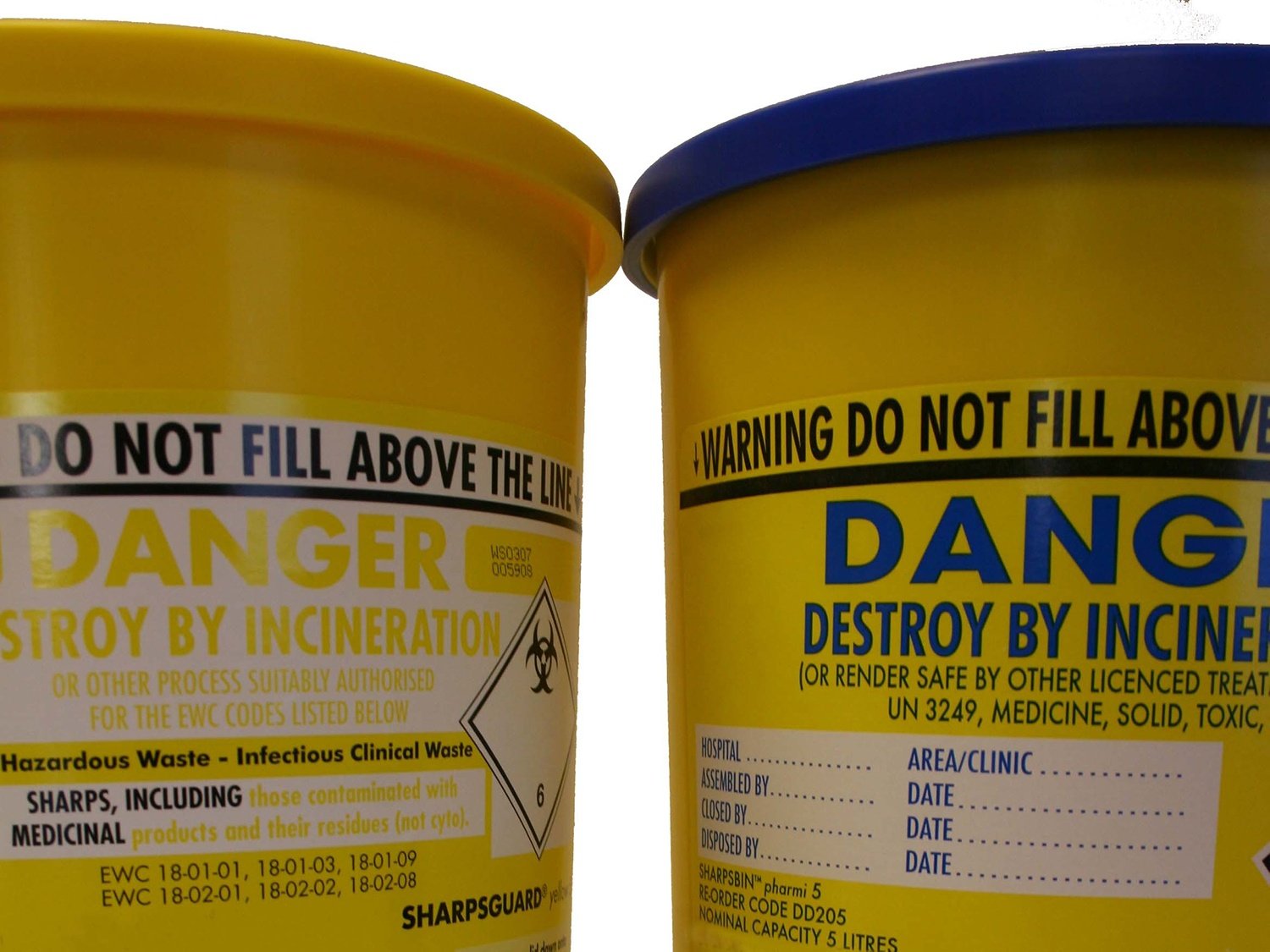
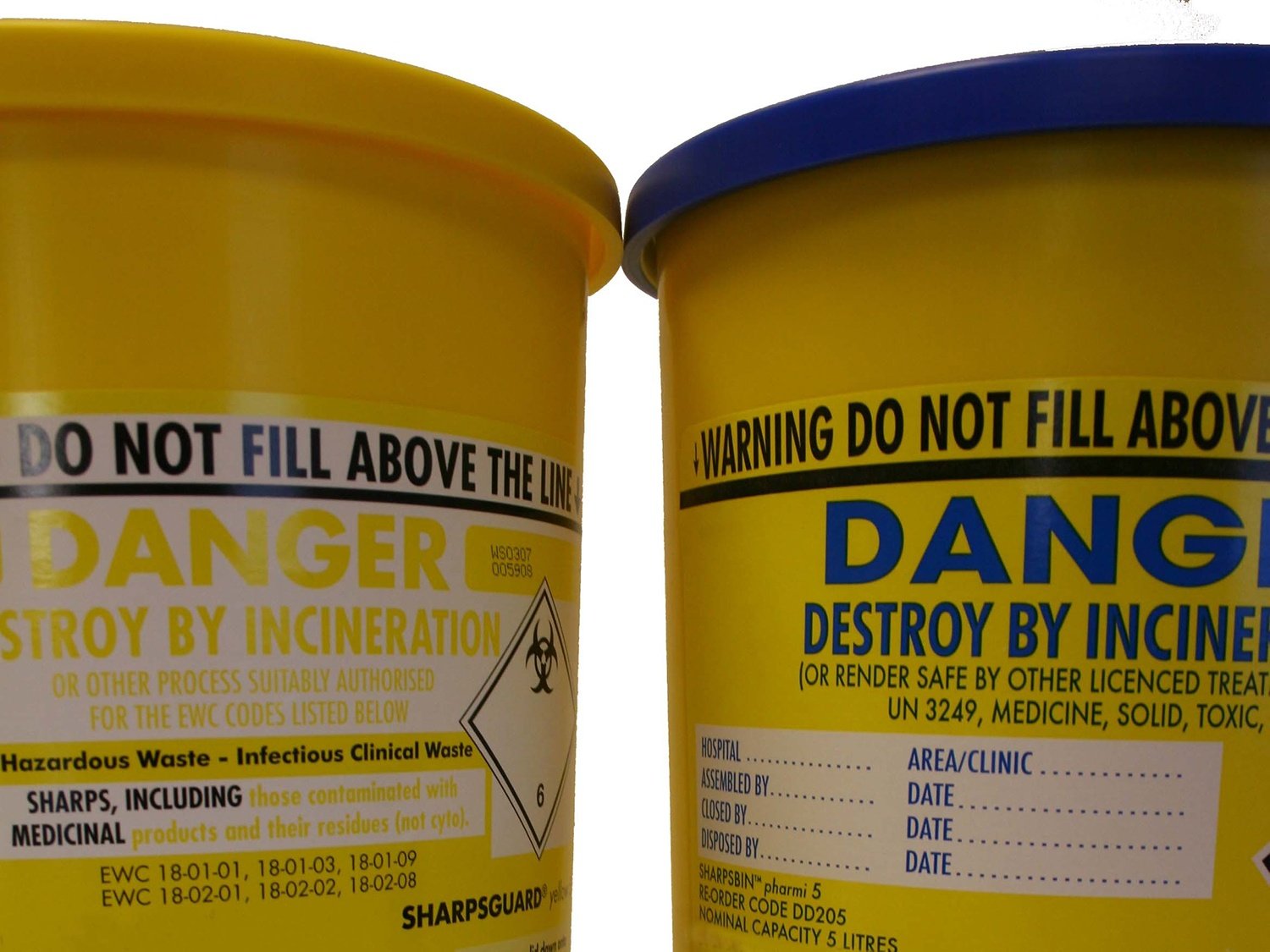
Trace chemo waste goes into a yellow container or a container marked “Trace Chemo”, and must undergo medical waste incineration rather than autoclave treatment.
How EPA Regulates Chemotherapy Waste
RCRA Hazardous Waste Basics
The Resource Conservation and Recovery Act (RCRA) is the federal law that governs hazardous waste management — including certain pharmaceuticals.
Under RCRA:
Pharmaceutical waste is considered hazardous if it appears on the P‑list or U‑list
Or if it exhibits hazardous characteristics, such as ignitability, corrosivity, reactivity, or toxicity
P‑List vs U‑List
P‑listed wastes are acutely toxic and generally require more stringent handling
U‑listed wastes are less acute but still hazardous
A chemotherapy drug is considered hazardous under RCRA if:
It is on the P‑ or U‑list
It is in commercial chemical form and unused
This is important because items that once contained chemo drugs — like IV bags or vials — may or may not be empty under RCRA definitions.
What “RCRA Empty” Means
An item is considered RCRA empty if:
A container that held a U‑listed substance has less than 3% of the original volume remaining
A container that held a P‑listed substance is triple‑rinsed
If the RCRA empty criteria are met, the item may be managed as regulated medical waste (i.e., trace chemotherapy waste), not hazardous pharmaceutical waste.
This distinction is the foundation for separating bulk from trace chemo waste.
Bulk vs Trace Chemo Waste — The Key Differences
| Factor | Bulk Chemotherapy Waste | Trace Chemotherapy Waste |
|---|---|---|
| Drug Residual | >3% of original volume or significant liquid | <3% residual or only trace residue |
| Typical Items | Partially used bags, drug spill materials | Gloves, gowns, empty tubing |
| Disposal Category | Hazardous pharmaceutical waste | Regulated medical waste |
| Container Type | Black / Hazardous Waste | Yellow / Trace Chemo |
| Treatment Method | Hazardous pharmaceutical disposal process | Medical waste incineration |
Trace Chemo Waste Container Color
One of the recurring search queries in your Search Console is:
“trace chemotherapy waste is disposed of in what color bin?”
Answer:
➤ Waste that qualifies as trace chemotherapy waste is placed in a yellow container or a container labeled specifically for “trace chemo.”
This signals both to staff and your medical waste vendor how the waste should be managed and treated.
How Treatment Happens
Trace chemo waste must be medically incinerated — a process that exposes waste to temperatures sufficient to neutralize residual hazardous contents and convert the material to ash.
Unlike autoclaving (used for most regulated medical waste), incineration ensures that trace chemo compounds are destroyed and not released into the environment.
Bulk chemotherapy waste may require special hazardous pharmaceutical waste processing, often including incineration or other EPA‑approved methods.
Why This Matters to You
✔ Correct segregation avoids penalties from EPA, DOT, OSHA, and state regulators
✔ Reduces the risk of exposing staff to toxic drug residues
✔ Keeps medical waste disposal costs lower by avoiding overuse of hazardous disposal streams
✔ Ensures waste is treated according to best practices and legal requirements
Frequently Asked Questions
Q: What percentage of residual chemo waste constitutes trace vs bulk?
A: By common industry practice, less than 3% residual volume is considered trace chemo waste under RCRA empty criteria. Anything above that is treated as bulk chemo waste for hazardous disposal.
Q: Are all chemotherapy drugs considered hazardous waste?
A: Not all chemo drugs are currently on the RCRA lists, but many are regulated as hazardous based on formulation, toxicity, or EPA/NIOSH guidance. Always check current EPA RCRA lists and state rules.
Q: Where does trace chemo waste go?
A: Trace chemotherapy waste goes into yellow containers that are then medically incinerated, as required for regulated medical waste.
Q: What about IV bags used for chemo?
A: If the bag still contains significant liquid, it is treated as bulk hazardous chemotherapy waste. If it meets RCRA empty criteria, it goes with trace chemo in the yellow container.
Q: Do sharps used with chemo go in the same bin?
A: No. Sharps (needles, scalpel blades, broken glass) should always go into rigid sharps containers regardless of chemo exposure. Once sealed, sharps containers may be processed according to the waste category of their contents.
Key Takeaways
Bulk chemotherapy waste contains significant drug residues and is treated as hazardous pharmaceutical waste (black bin).
Trace chemotherapy waste contains only residual or minimal chemo and is treated as regulated medical waste (yellow bin).
Determining “RCRA empty” is essential to defining bulk vs trace.
Trace chemo waste must undergo medical waste incineration.
Container color coding (yellow for trace chemo) is critical for compliance, safety, and cost control.