
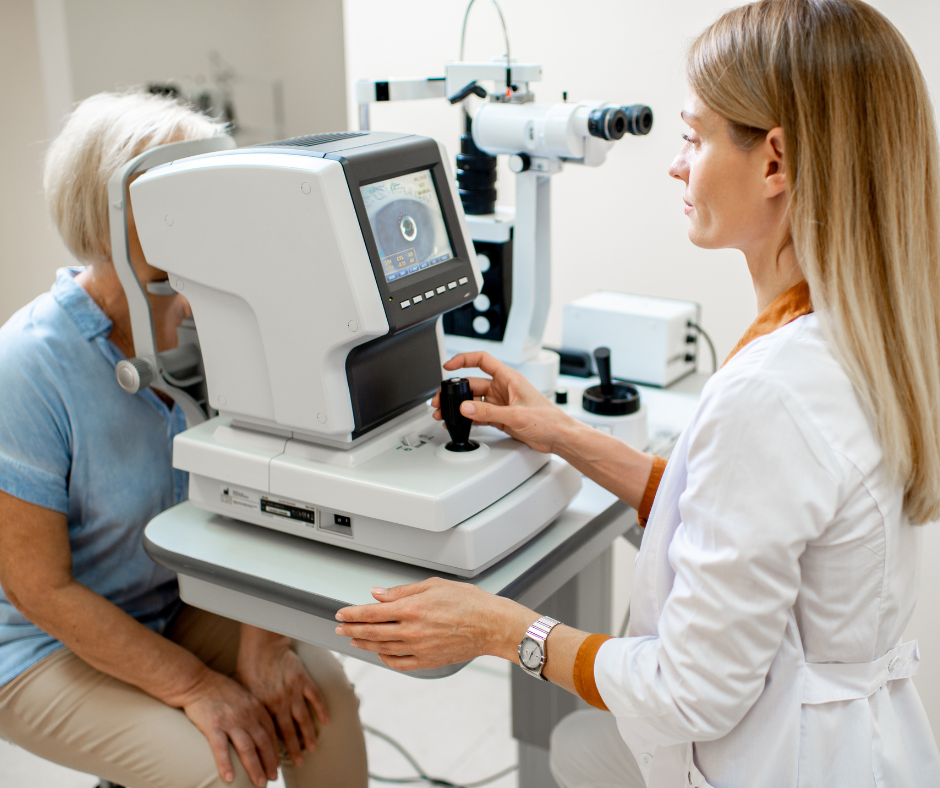
Compliant ophthalmic waste disposal is critical to protect both patients and employees at medical facilities. A medical waste management plan for eye clinics should focus on properly handling, storing, and disposing of items specific to ophthalmology settings. These items can include sharps, contaminated disposables, and potential biohazards. Here’s an overview of ophthalmic healthcare waste and how to correctly manage it.
What is Ophthalmic Healthcare Waste
Ophthalmic healthcare waste is any waste generated during the diagnosis, treatment, or surgical care of eye-related conditions in hospitals, clinics, or other medical facilities specializing in ophthalmology. This type of waste includes a variety of materials that may be infectious, hazardous, or non-hazardous.
- Sharps Waste – Used needles, syringes, scalpel blades, broken ampoules, and ophthalmic surgical instruments.
- Infectious Waste – Contaminated gloves, gauze, cotton swabs, and eye patches exposed to blood, bodily fluids, or infectious agents.
- Pharmaceutical Waste – Expired or unused eye drops, anesthetics, antibiotics, and disinfectants used in ophthalmic treatments.
- Pathological Waste – Tissue samples, corneal transplants, or excised material from eye surgeries.
- Chemical Waste – Waste from ophthalmic dyes (like fluorescein), preservatives in eye medications, and sterilization chemicals.
- General Non-Hazardous Waste – Packaging, office waste, and non-contaminated disposables.
Importance of Proper Ophthalmic Waste Disposal
Proper segregation, handling, and disposal of ophthalmic healthcare waste is essential to prevent infections, ensure regulatory compliance, and minimize environmental harm.
- Prevention of Infections – Eye clinics deal with patients who have infectious conditions like conjunctivitis, keratitis, or post-surgical infections. Improper disposal of contaminated materials can spread pathogens.
- Compliance with Regulations – Government agencies such as the EPA (Environmental Protection Agency), OSHA (Occupational Safety and Health Administration), and local health departments enforce strict medical waste disposal guidelines. Non-compliance can result in hefty fines or legal action.
- Environmental Protection – Pharmaceuticals, anesthetics, and disinfectants used in eye procedures can contaminate water sources if not disposed of properly. Sharps and biohazard waste can harm wildlife and ecosystems.
- Staff and Patient Safety – Sharp instruments like needles and scalpel blades pose a risk of needle-stick injuries, which can transmit infections such as Hepatitis B, Hepatitis C, and HIV. Proper segregation and disposal reduce these risks.
- Reputation and Legal Liability – An eye clinic caught mismanaging medical waste may face public backlash, lawsuits, and damage to its professional reputation. For example, an eye care clinic in New York was penalized after hazardous pharmaceutical waste, including expired eye drops and anesthetics, was found in regular trash instead of designated medical waste containers.
Steps for Proper Ophthalmic Waste Disposal
These steps for proper ophthalmic waste disposal help ensure a safe environment for staff and patients while maintaining compliance with regulations and minimizing environmental impact.
- Waste Segregation
- Sharps: Place immediately in puncture-resistant, labeled sharps containers.
- Infectious Waste: Use labeled biohazard bags for contaminated disposables.
- Pharmaceutical Waste: Dispose of unused medications according to local regulations in designated containers.
- Pathological Waste: Handle tissue or cell samples in labeled containers and dispose of them according to medical waste regulations.
- Storage Guidelines
- Segregated Storage Areas: Use color-coded bins or labeled containers for easy identification and separation.
- Temperature Control: Some waste types, such as pathological or infectious waste, may require refrigeration if stored for extended periods.
- Regular Disposal: Empty containers daily or as needed to prevent overflow and reduce contamination risk.
- Transportation and Disposal
- Internal Transfer: Ensure waste is contained securely during transport within the clinic.
- External Disposal: Partner with a certified medical waste disposal company to handle final disposal, ensuring compliance with local and national regulations.
- Staff Training and Protocols
- Train staff on proper waste handling, disposal techniques, and personal protective equipment (PPE) use.
- Emphasize hand hygiene, safety protocols, and immediate reporting of any accidental exposure to waste.
- Regulatory Compliance
- Local Guidelines: Follow local, state, and federal guidelines on medical waste management, which may vary by region.
- Documentation: Maintain logs of waste disposal (including certificates of destruction) to comply with audits or inspections by health and safety authorities.
- Emergency Procedures
- Implement protocols for spills, exposure, or other accidents involving medical waste.
- Provide access to spill kits, first aid supplies, and eyewash stations in case of accidental contact with contaminants.
Ophthalmology has the highest procedural volumes among surgical specialties and the cataract subspecialty leads the field in surgical waste production. Surgical centers and hospitals may adopt some of these suggestions for reducing pharmaceutical waste in ophthalmic surgical practices. Managing ophthalmic waste at the point of generation could help reduce disposal costs and minimize the volume of waste sent to landfills.
Proper medical waste management is critical in all healthcare settings, including eye clinics. Implementing rigorous waste disposal protocols ensures compliance with environmental and health regulations while protecting patients and maintaining public trust.