
Why You Should Take Hazardous Waste Handling Seriously
If you don’t take the management of hazardous waste at your facility seriously, there could be many risky situations as a result. All hazardous waste generators should follow preventive measures and maintain compliance with state and federal regulations. If not, generators could face these risks.
Training Your Hazardous Waste Personnel Must Take

Your hazardous waste personnel require training for proper hazardous waste management as well as emergency procedures for wastes handled at your facility.
Five Steps to Properly Identify Hazardous Waste

Hazardous waste disposal is one of the most important factors when it comes to handling your regulated waste. Here are five questions you can ask yourself in order to properly identify and manage your hazardous waste.
What Your Medical Waste Service Provider Could Be Missing

Your medical waste is your organization’s responsibility, even when you’ve contracted with waste service provider. Make sure they aren’t making mistakes.
Three Common Mistakes in Segregating Waste
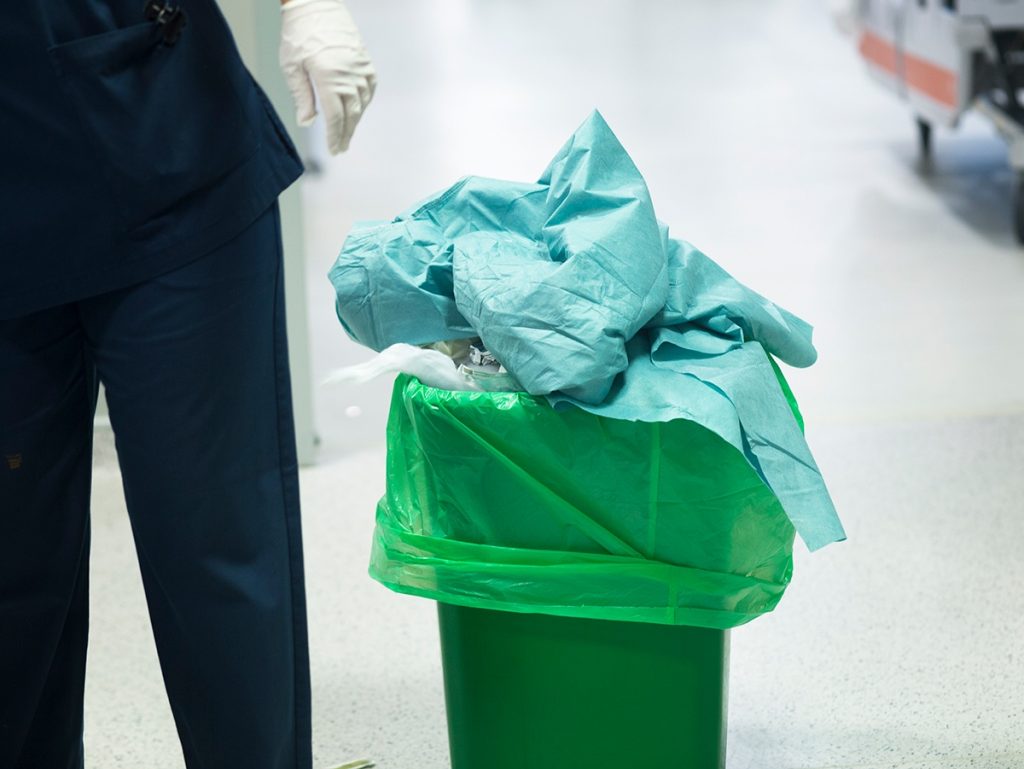
Regulations regarding medical waste can be confusing, even for conscientious employees. Here are some common mistakes made when separating waste streams.
What is Protected Health Information

The Health Insurance Portability and Accountability Act (HIPAA) defines protected health information (PHI) as any data that contains a patient’s name or could be combined with other information to determine the patient’s identity. The PHI category includes most direct patient records, but also includes other records related to demographic information and general patient data, even […]
Yellow Bin Waste in Hospital: Chemotherapy Waste Disposal Guide
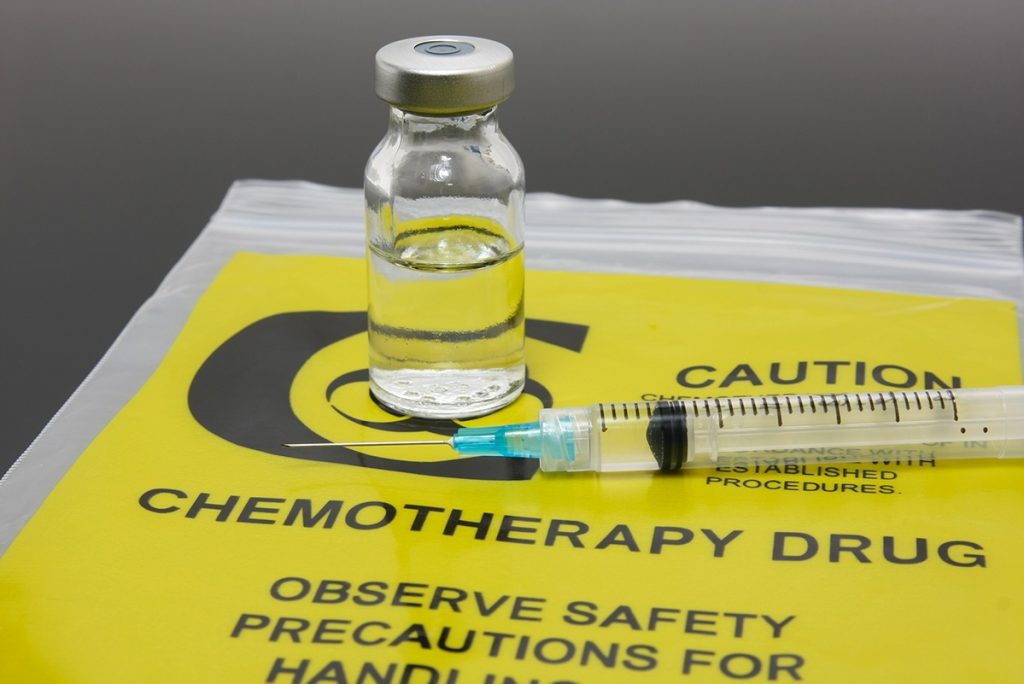
In U.S. hospitals and healthcare facilities, yellow bins are used for trace chemotherapy waste — items that have come into contact with antineoplastic (chemotherapy) drugs but contain only residual amounts of the medication, defined as less than 3% by weight of the active ingredient remaining. Chemotherapy waste is among the most hazardous waste streams generated […]
Blue Waste Bin in Hospital: What Goes in the Blue Pharmaceutical Waste Container
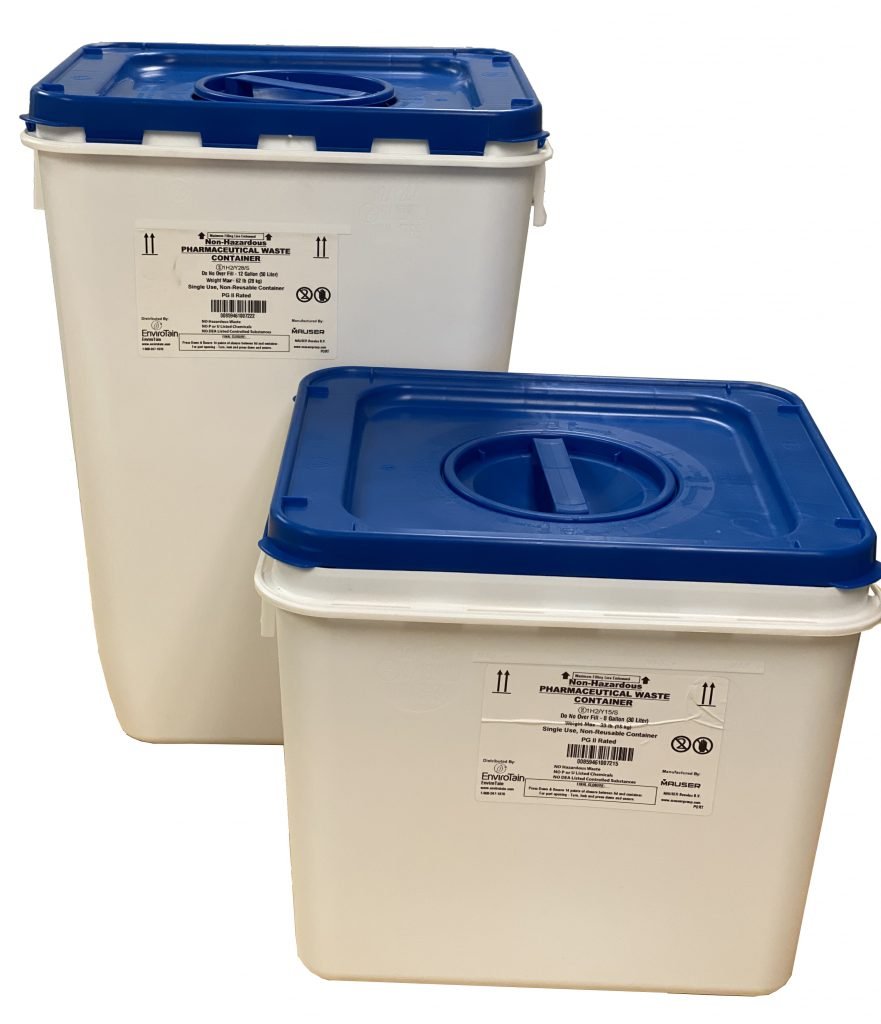
In U.S. hospitals and medical offices, the blue waste bin is used for non-hazardous pharmaceutical waste. This includes expired, unused, or partially used medications that do not meet the EPA’s definition of hazardous waste under the Resource Conservation and Recovery Act (RCRA) — meaning they are not P-listed, U-listed, or D-listed substances. Non-hazardous pharmaceutical waste […]
What Goes in Black Pharmaceutical Waste Containers?
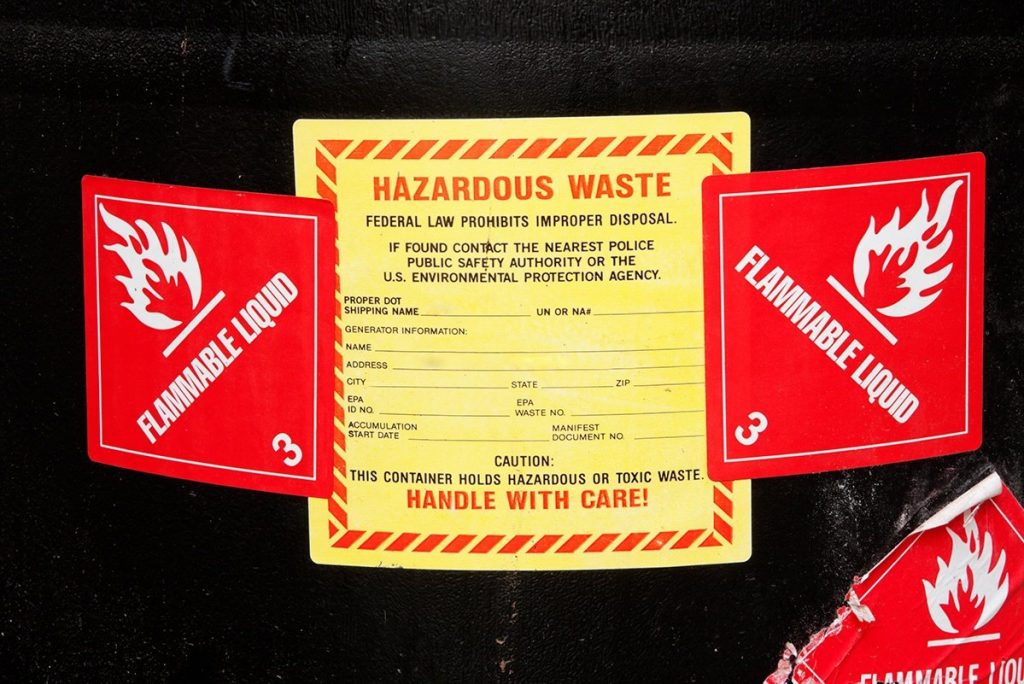
In U.S. healthcare facilities, black bins are used for RCRA hazardous pharmaceutical waste. These containers collect medications and pharmaceutical products classified as hazardous under the Resource Conservation and Recovery Act — including P-listed acute hazardous drugs, U-listed toxic drugs, and D-listed characteristic waste that is flammable, corrosive, toxic, or reactive. If your facility generates, handles, […]
Medical Office Staff Training Requirements: What OSHA, DOT & HIPAA Require

Here are some specific training documents that your medical office needs to have on file to maintain compliance with state and federal regulations