
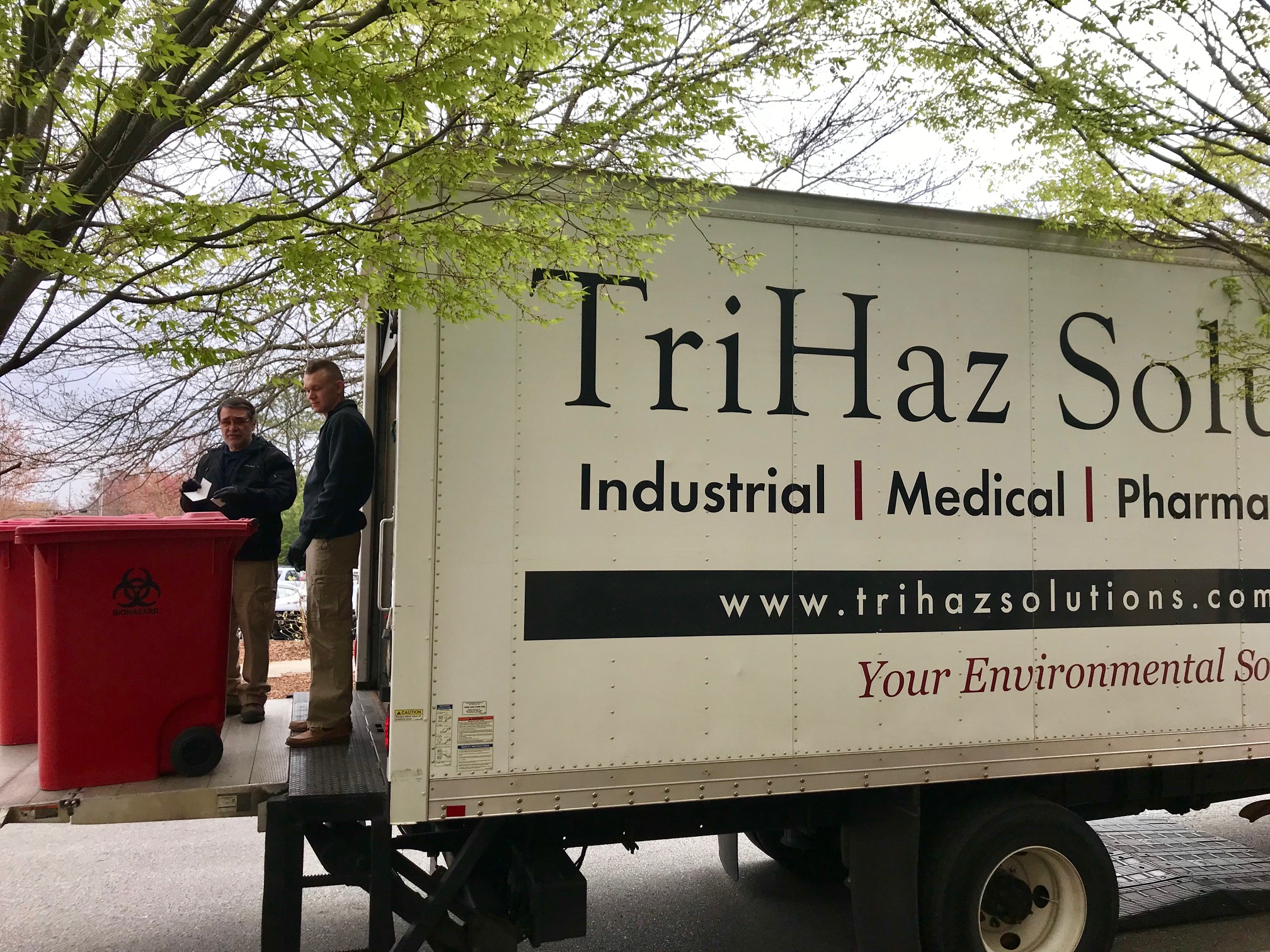
Effective medical waste management is crucial for safeguarding public health, protecting the environment, and ensuring regulatory compliance. Government bodies play an indispensable role in shaping and enforcing policies and practices that guarantee safe and efficient disposal of medical waste. At TriHaz Solutions, we acknowledge the vital contributions of government agencies at all levels and their collaborative efforts with the private sector to manage medical waste. This blog delves into the critical functions of government in this essential domain, underscoring the importance of their role in establishing standards, monitoring compliance, providing resources, and driving innovation in medical waste management.
Setting Standards and Regulations
One of the primary roles of government in medical waste management is establishing comprehensive regulations and standards. These guidelines ensure that medical waste is handled, treated, and disposed of safely and effectively. Government agencies, such as the Environmental Protection Agency (EPA) and state health departments, develop regulations that address various aspects of medical waste management, including:
- Classification of Medical Waste: Governments categorize medical waste into different types, such as infectious, hazardous, and non-hazardous, to determine appropriate handling and disposal methods.
- Treatment and Disposal Methods: Regulations specify acceptable treatment and disposal methods, such as incineration, autoclaving, and chemical disinfection, to minimize environmental impact and health risks.
- Packaging and Labeling Requirements: Standards for packaging and labeling medical waste ensure that it is transported safely and that handlers know the contents and associated risks.
Monitoring and Enforcement
Governments are responsible for monitoring compliance with medical waste management regulations and enforcing them when necessary, which involves regular inspections and audits of healthcare facilities, treatment plants, and disposal sites to ensure adherence to regulations. These audits may include reviewing records, examining waste handling practices, and checking equipment. To maintain high safety standards, governments impose penalties on facilities that fail to comply with medical waste management regulations, ranging from fines to suspending operating licenses. Additionally, governments often require facilities to report their waste management practices and incidents of non-compliance, promoting transparency, building public trust, and encouraging facilities to maintain high standards.
Funding and Resources
Governments play a crucial role in providing funding and resources for medical waste management through various forms of support, including grants and subsidies to healthcare facilities and waste management companies for investing in advanced technologies and infrastructure for waste treatment and disposal. Additionally, government-funded training programs educate healthcare workers and waste handlers on best practices for managing medical waste safely and effectively. Governments also invest in research and development to create new and improved methods for treating and disposing medical waste, aiming to reduce environmental impact and enhance safety.
Collaboration with the Private Sector
Effective medical waste management often requires collaboration between government agencies and private sector companies like TriHaz Solutions, ensuring that regulations are practical and that waste management practices are both effective and efficient. Key areas of collaboration include public-private partnerships, where governments partner with private companies to build and operate waste treatment facilities, leveraging private sector expertise and efficiency. Additionally, advisory committees and stakeholder engagement involve industry stakeholders in the regulatory process, allowing for developing more effective and practical regulations through ongoing dialogue and feedback. Governments also facilitate the transfer of innovative technologies and best practices from the private sector to public waste management programs, enhancing overall efficiency and effectiveness.
Addressing Emerging Challenges
As the medical waste landscape evolves, governments must adapt to emerging challenges such as increased waste from pandemics, the proliferation of single-use medical products, and the need for more sustainable waste management practices. This involves developing and implementing emergency response plans to manage surges in medical waste during health crises, ensuring safe and efficient handling. Additionally, governments promote and support sustainable practices in medical waste management by encouraging waste reduction, increasing recycling, and developing eco-friendly treatment methods.
The Role of Government in Medical Waste Management
In conclusion, the role of government in medical waste management is multifaceted and essential for ensuring public health and environmental safety. Governments are responsible for monitoring compliance, enforcing regulations, providing funding and resources, and fostering collaboration between public and private sectors. As the landscape of medical waste continues to evolve with new challenges such as pandemics and the need for sustainable practices, government agencies must remain proactive and adaptable. Through emergency response planning, sustainability initiatives, and continuous stakeholder engagement, governments can effectively manage medical waste, safeguarding both the environment and public health.