
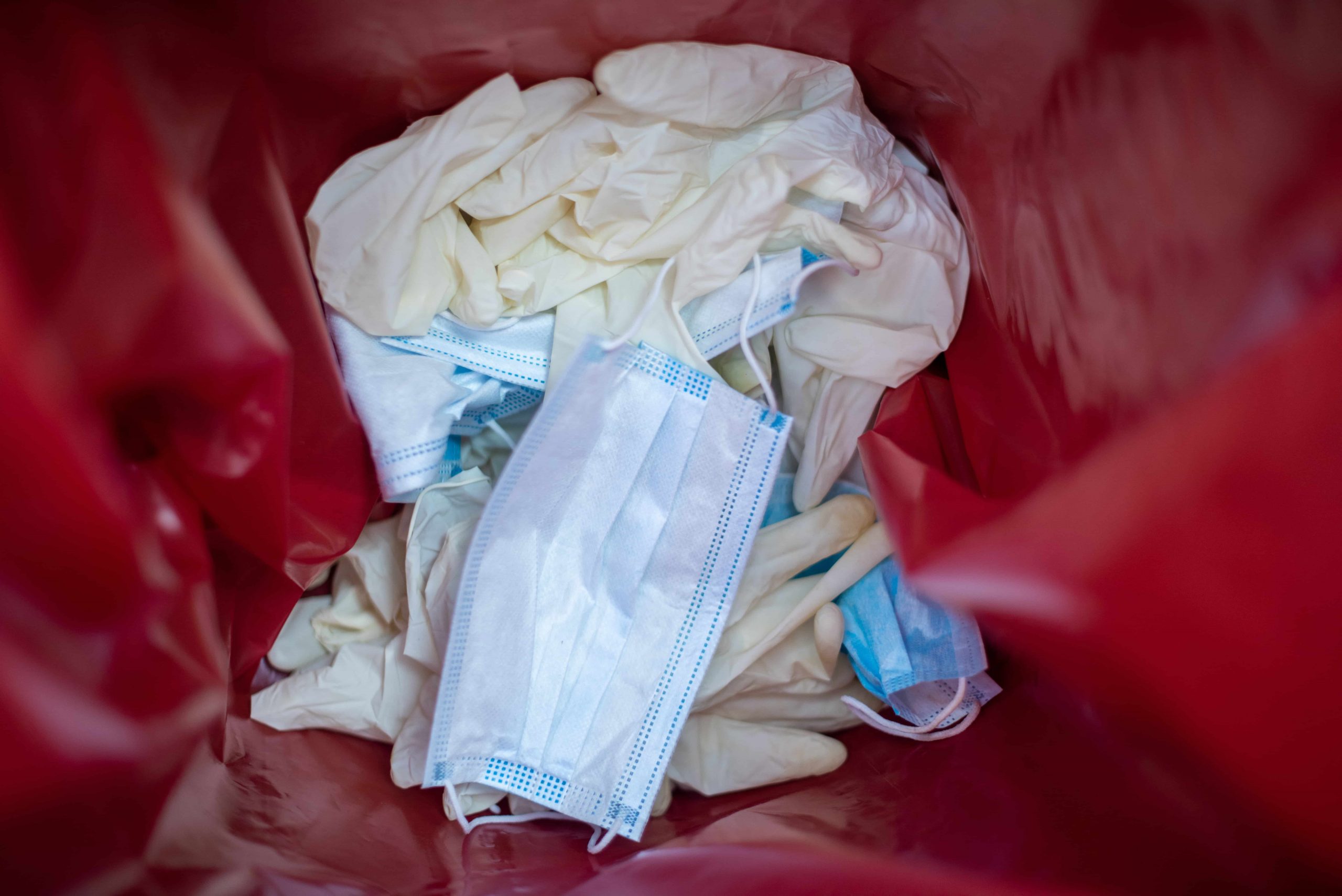
In the high-stakes setting of surgery, the focus is rightfully on patient care. Operating rooms are sterile, organized, and controlled environments. However, an often overlooked, critical aspect is the management and fate of medical waste generated during surgical procedures. In this article by Trihaz Solutions, we’ll discuss the journey of surgical waste from the operating room to its final disposal, highlighting the importance of proper management for safety and environmental sustainability.
Where Does Surgical Waste Go?
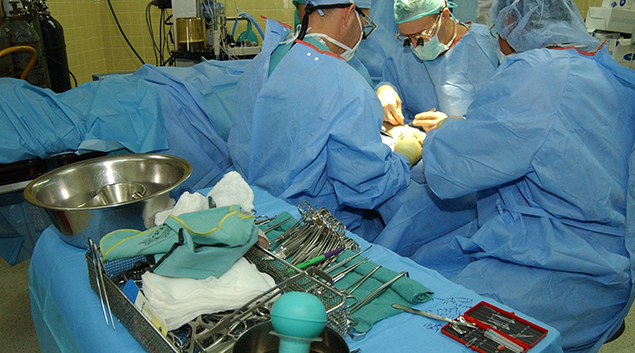
The Operating Room
The process begins in the operating room, where waste is immediately segregated into different categories, such as sharps, biomedical waste, pharmaceuticals, and non-hazardous materials. This segregation is critical for ensuring that each type of waste is treated appropriately. Special color-coded containers and labeling systems are used to facilitate this process.
Collection and Temporary Storage
Once segregated, the waste is collected and temporarily stored in a secure area within the healthcare facility. This area is designed to prevent contamination and limit access, ensuring that the waste is handled only by trained personnel.
Transportation to Treatment Facilities
Internal Transportation
The waste is transported within the hospital to a central waste handling area. This is typically done using dedicated, sealed carts to prevent exposure and cross-contamination.
External Transportation
For off-site treatment, which is typical for most surgical waste, specialized waste management companies are contracted. These companies are equipped with vehicles specifically designed for medical waste, ensuring safe and compliant transportation to external treatment facilities.
Treatment and Processing of Surgical Waste
Incineration
Incineration is a widely used method for treating hazardous surgical waste, including sharps and biomedical waste. Modern incinerators are designed to achieve high temperatures that destroy pathogens and organic materials while also employing measures to reduce emissions.
Autoclaving
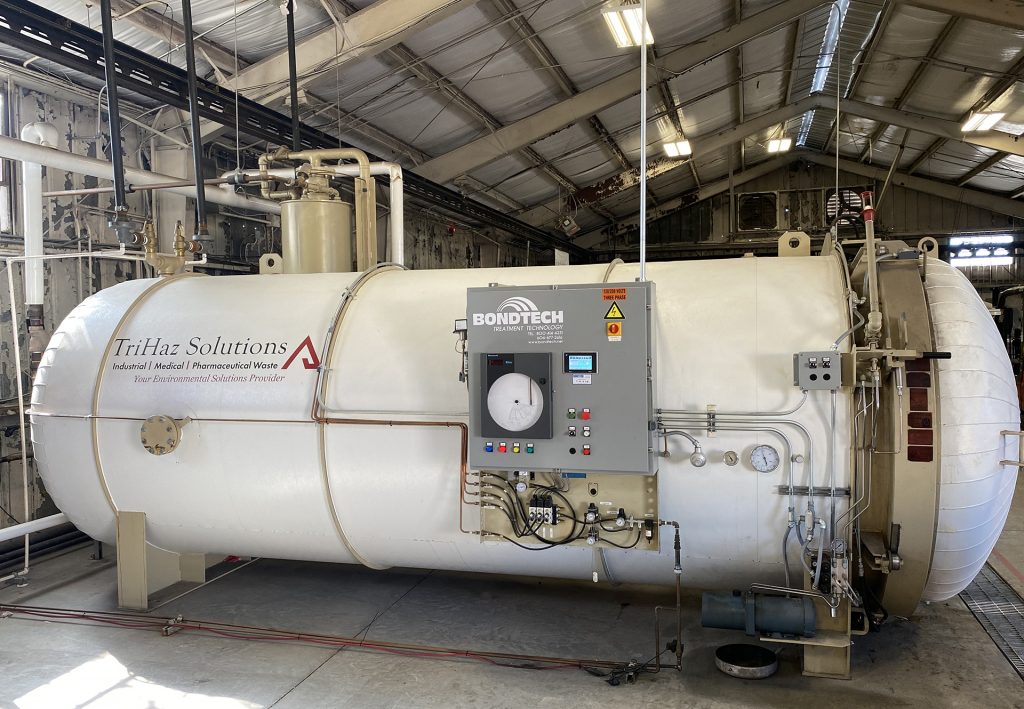
Autoclaving is another standard treatment method, especially for non-hazardous or less risky waste. This process uses high-pressure steam to sterilize the waste, making it safe for subsequent disposal.
Specialized Treatment
Certain types of waste, like chemotherapy agents or radioactive materials, require specialized treatment processes. These might include chemical neutralization or encapsulation, ensuring the waste is safe before final disposal.
Types of Surgical Waste
Biomedical Waste
Biomedical waste, including tissues, organs, or fluids, is categorized as high-risk. It typically undergoes treatment through methods like incineration or autoclaving. Incineration effectively destroys pathogens and reduces the waste volume, while autoclaving uses high-pressure steam to sterilize the waste, making it safe for disposal in landfills.
Sharps and Pharmaceutical Waste
Sharps, such as needles and scalpels, are disposed of in puncture-resistant containers and often incinerated. This process eliminates the risk of injury or infection from used sharps. Pharmaceutical waste, especially hazardous drugs, requires careful handling. It’s usually incinerated under high temperatures to prevent contamination and reduce the risk of drug diversion or misuse.
Non-hazardous and Recyclable Waste
Non-hazardous waste, like paper towels or non-contaminated packaging, is often directed to regular trash or recycling facilities. Segregation at the source ensures that only non-contaminated waste is recycled, reducing environmental impact and promoting sustainability.
What Do Hospitals Do With Body Parts After Surgery
Pathology Examination
Most removed tissues and organs are first sent to a pathology lab. They’re examined to confirm diagnoses, check for disease, or ensure complete removal (e.g., in cancer surgeries).
Temporary Preservation
After examination, the body parts may be stored briefly in preservatives like formalin in case further testing or review is needed. Storage timelines vary by hospital policy and local law.
Final Disposal
Once no longer needed, body parts are typically disposed of as medical waste, usually through incineration or chemical digestion, following strict biohazard protocols.
Patient Requests
In rare cases, patients may request the return of body parts (e.g., amputated limbs) for cultural or personal reasons. This is only allowed under specific legal and hospital guidelines.
How Are Organs Disposed of After Surgery?
After surgery, organs are first examined by a pathology lab and then temporarily preserved if further analysis is needed. Once cleared, they are disposed of as regulated medical waste, typically through incineration or, less commonly, alkaline hydrolysis, following strict biohazard and environmental safety protocols.
What Happens to Medical Waste After Surgery
The management of medical waste after surgery is a complex but essential task. It ensures the safety of healthcare workers and the public, compliance with regulatory standards, and the protection of the environment. As technology and practices evolve, the healthcare industry continues to seek more efficient, safe, and sustainable methods of disposing of surgical waste.