
Yellow Bin Waste in Hospital: Chemotherapy Waste Disposal Guide
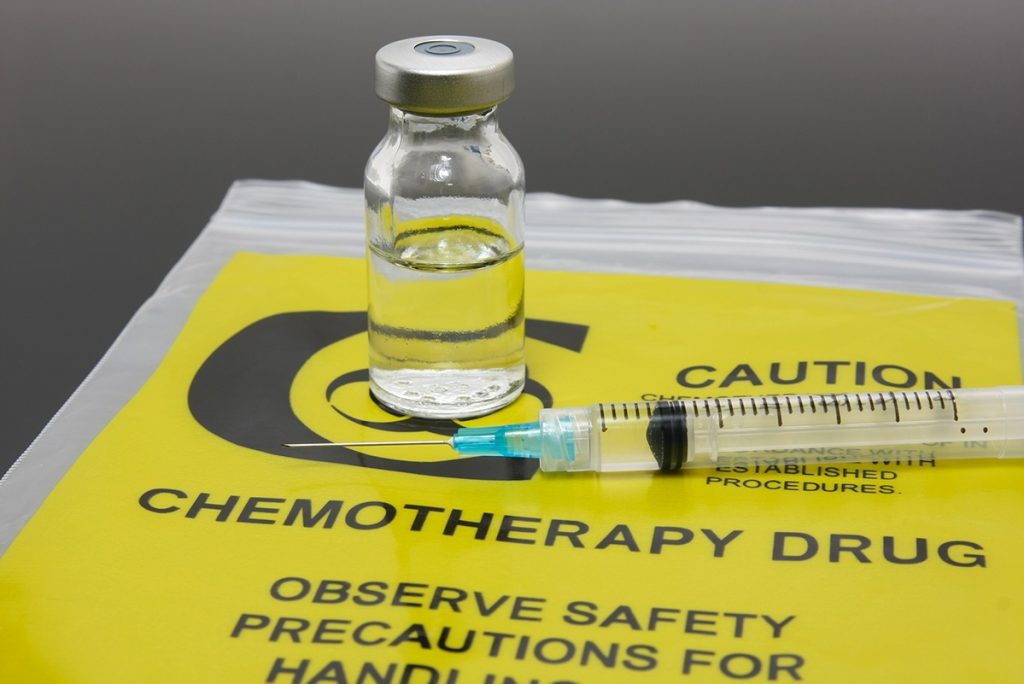
In U.S. hospitals and healthcare facilities, yellow bins are used for trace chemotherapy waste — items that have come into contact with antineoplastic (chemotherapy) drugs but contain only residual amounts of the medication, defined as less than 3% by weight of the active ingredient remaining. Chemotherapy waste is among the most hazardous waste streams generated […]
Blue Waste Bin in Hospital: What Goes in the Blue Pharmaceutical Waste Container
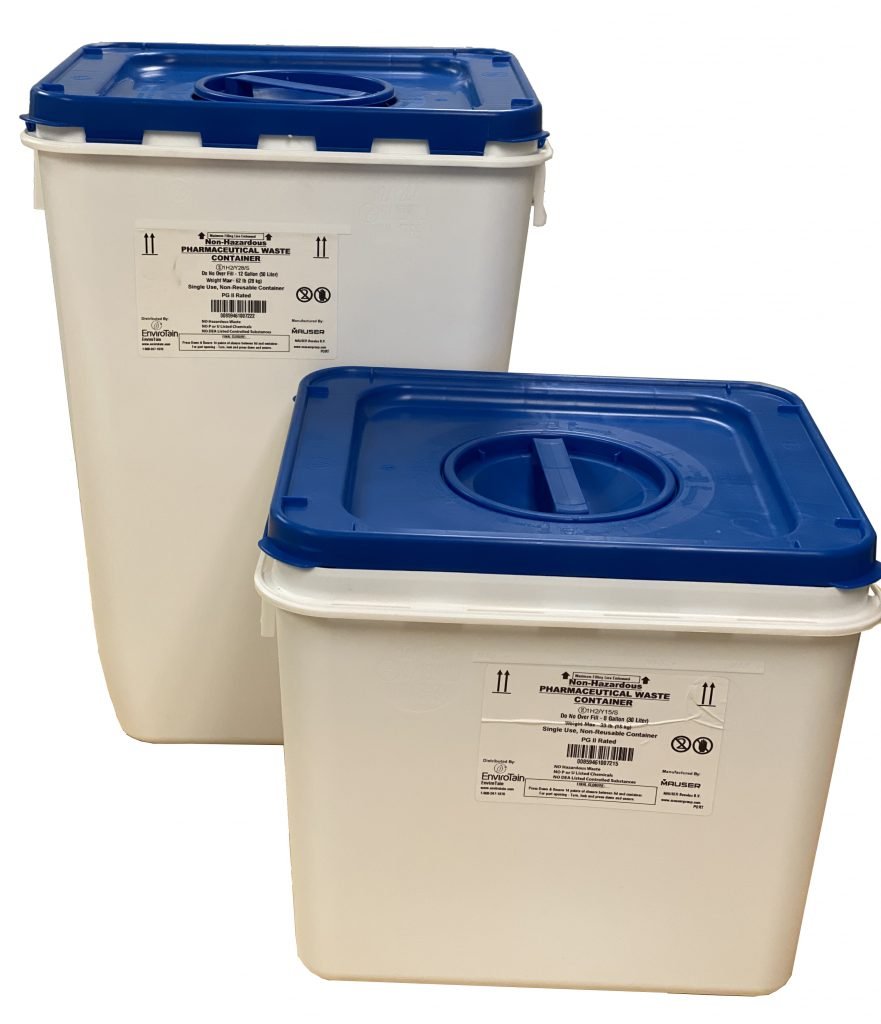
In U.S. hospitals and medical offices, the blue waste bin is used for non-hazardous pharmaceutical waste. This includes expired, unused, or partially used medications that do not meet the EPA’s definition of hazardous waste under the Resource Conservation and Recovery Act (RCRA) — meaning they are not P-listed, U-listed, or D-listed substances. Non-hazardous pharmaceutical waste […]
What Goes in Black Pharmaceutical Waste Containers?
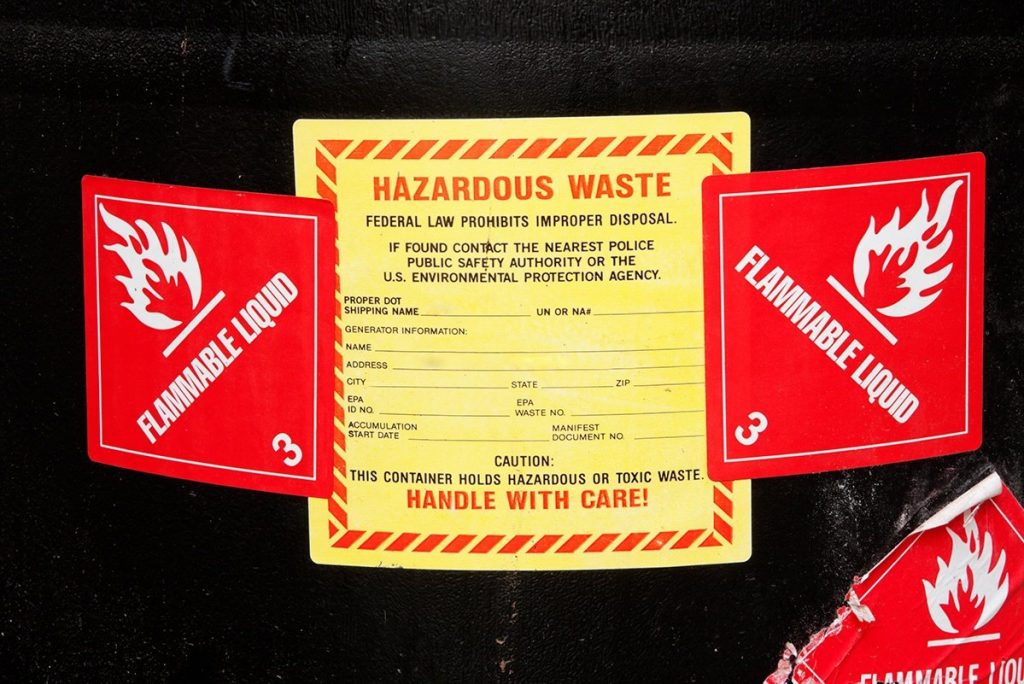
In U.S. healthcare facilities, black bins are used for RCRA hazardous pharmaceutical waste. These containers collect medications and pharmaceutical products classified as hazardous under the Resource Conservation and Recovery Act — including P-listed acute hazardous drugs, U-listed toxic drugs, and D-listed characteristic waste that is flammable, corrosive, toxic, or reactive. If your facility generates, handles, […]
Medical Office Staff Training Requirements: What OSHA, DOT & HIPAA Require

Here are some specific training documents that your medical office needs to have on file to maintain compliance with state and federal regulations
Hospital Internal Audit: How to Conduct Healthcare Compliance Audits
Establish a comprehensive, self-motivating routine for medical office audits, then work with staff and outside partners to until it is operational culture.
OSHA Exposure Control Plan: Requirements, Updates & What Must Be Included
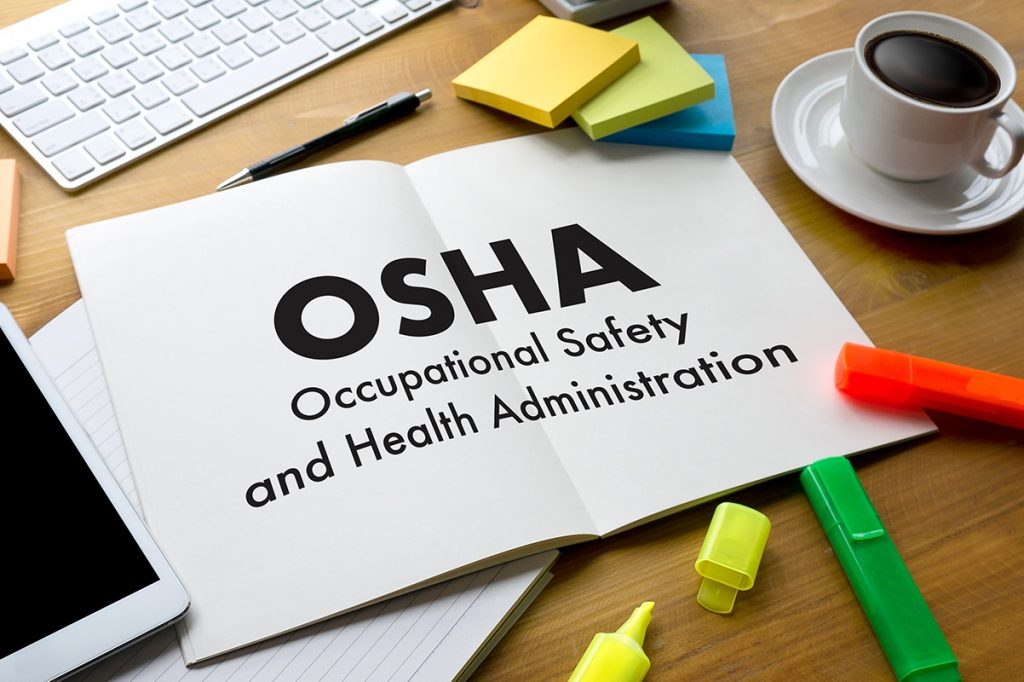
The Occupational Safety and Health Administration (OSHA) was created with the Occupational Safety and Health Act of 1970 to ensure worker and workplace safety. In addition to setting and enforcing standards, the agency provides training, outreach, education, and assistance. There are many risks associated with OSHA violations, such as potential chemical and drug exposures, fire […]
Medical Waste Management Plan

As the saying goes, if you don’t know where you’re going, you won’t know when you get there. Every organization needs a strategic plan to guide its efforts, and your medical practice is no different — especially when it comes to managing your medical waste effectively. TriHaz Solutions is here to help you develop a […]
Acceptable Medical Waste Treatments
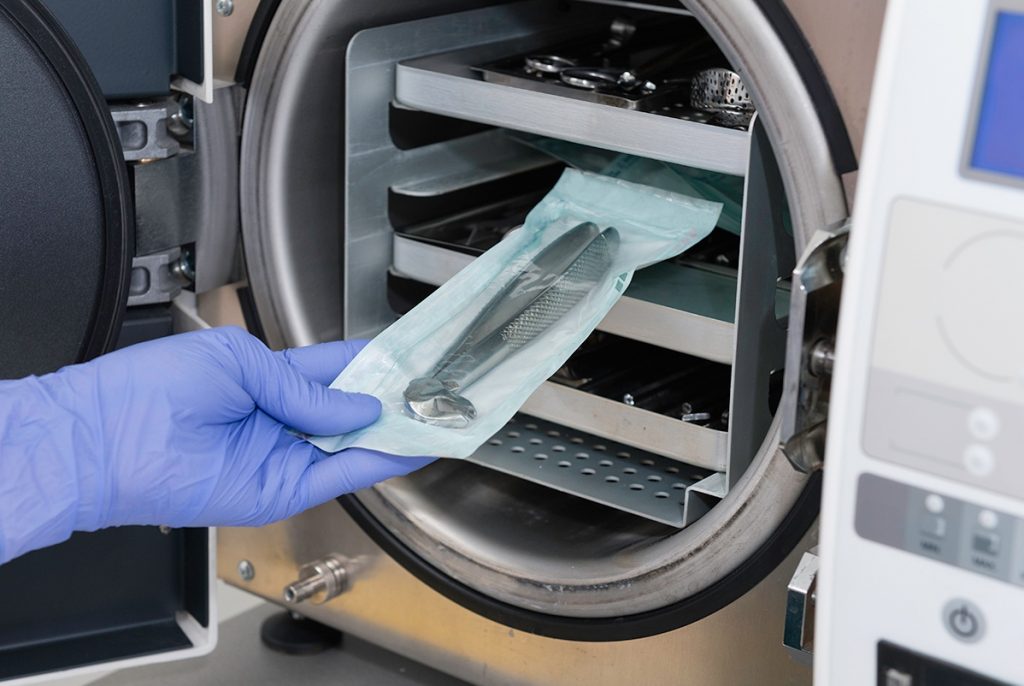
Learn more about how your facility’s medical waste is treated. Methods include autoclaving, microwaving, incineration, and chemical disinfection.
DOT Regulations for Transporting Medical Waste
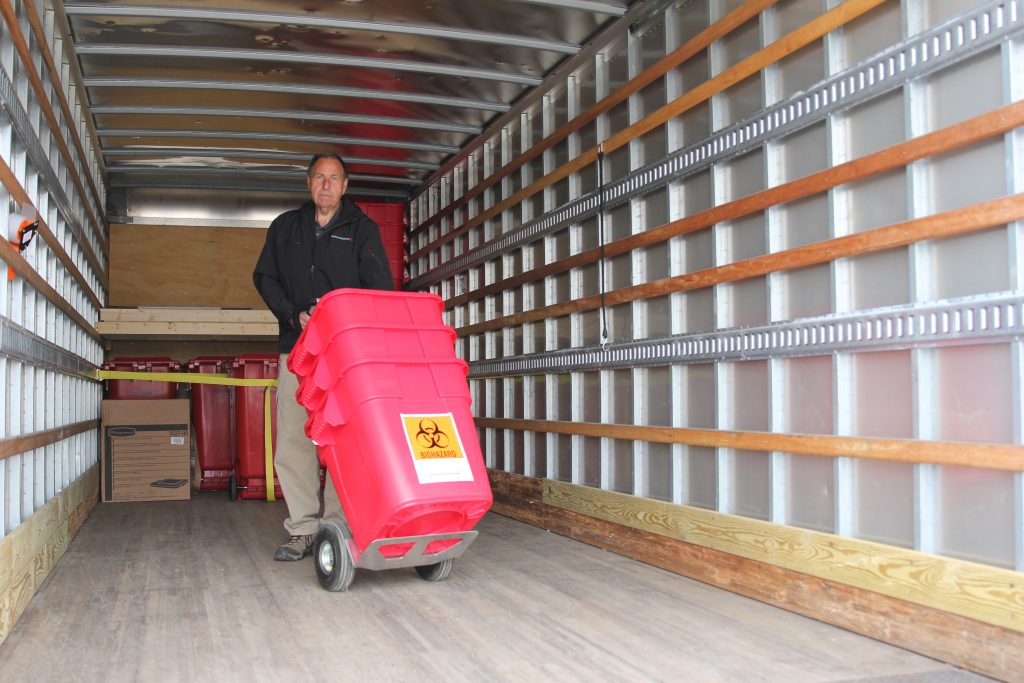
Transporting regulated medical waste is not just your hauler’s responsibility; it’s yours, too. Under DOT and EPA “cradle-to-grave” laws, your medical facility is liable for your waste from the moment it’s generated until it’s fully treated and destroyed. That means if your waste provider fails to transport or dispose of it properly, you’re still on the hook. To […]
How to Improve Compliance in Healthcare

Compliance is a top priority for every medical practice, but few teams have the time to focus on it consistently. Between patient care, billing, staffing, and daily operations, compliance tasks can easily fall through the cracks. Yet the consequences of non‑compliance, including fines, citations, and legal liability, are very real. The key is not perfection, […]