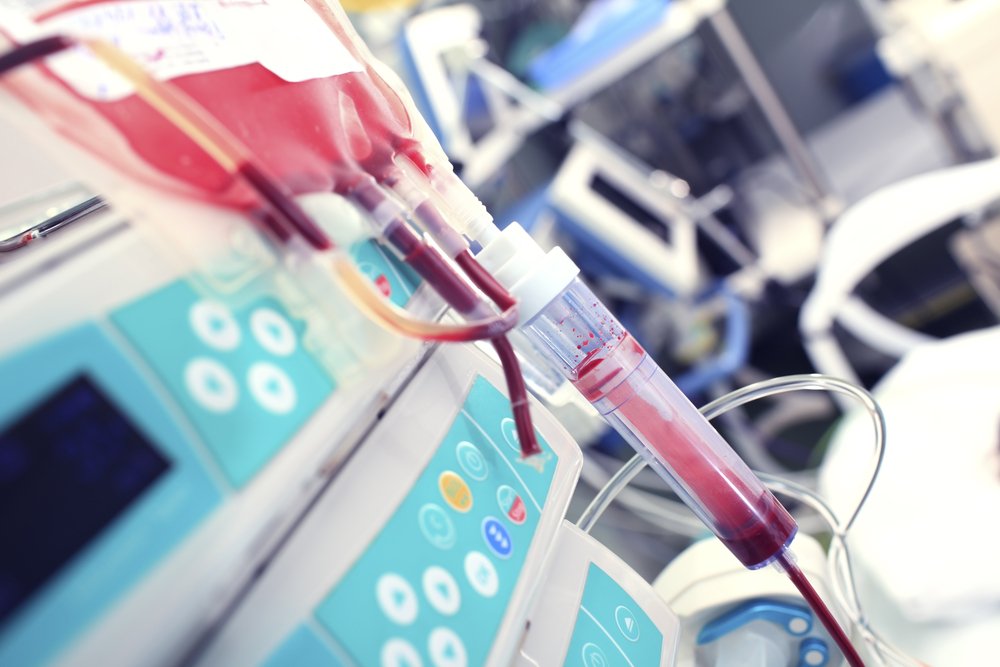
People usually start learning about blood and its functions in the body during their early years of education, through science classes. Most people rarely think about the blood pumping through their bodies unless prompted by a specific event, such as an injury or a medical checkup. Others may have a more frequent awareness of their blood circulation, especially if they engage in exercise or other activities that increase their heart rate. In and of itself, blood is neither safe nor unsafe, but waste that consists of blood and blood products is a different story.
Is Blood a Biohazard?
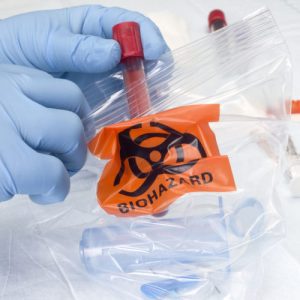
Blood is considered a biohazard because it can contain harmful viruses, bacteria, and other pathogens that can cause diseases in humans or animals. Due to the potential risks, blood must be treated with specific precautions and disposed of in accordance with biohazard waste management protocols to prevent exposure and ensure the safety of healthcare workers, patients, and the general public.
Why is Blood a Biohazard?
Blood is considered a biohazard because it can contain bloodborne pathogens and infectious microorganisms present in human blood that can cause human disease. These pathogens include, but are not limited to:
Hepatitis B (HBV)
A serious liver infection that can become chronic and lead to liver failure, cancer, or cirrhosis.
Hepatitis C (HCV)
Another viral infection of the liver that is often chronic and can lead to severe liver damage over time.
Human Immunodeficiency Virus (HIV)
The virus causes acquired immunodeficiency syndrome (AIDS), which damages the immune system and can lead to severe health complications and death.
Which Type of Medical Waste Includes Blood and Blood Products?
The type of medical waste that includes blood and blood products is categorized as “Infectious Waste” or “Biohazardous Waste.” Infectious waste contains infectious materials or potentially infectious substances such as blood, body fluids, and other materials that may risk transmitting infection to humans or animals. Blood and blood products fall under this category due to their potential to carry bloodborne pathogens, such as HIV, hepatitis B, and hepatitis C, which can infect individuals who come into contact with these materials.
Blood and Blood Products
Blood samples are used in diagnostic tests to detect diseases and monitor health conditions. For example, blood tests can reveal abnormal levels of certain substances indicative of various diseases. Blood specimens also play a crucial role in personalized or precision medicine approaches. Analyzing an individual’s genetic makeup and biomarkers in their blood allows healthcare providers to tailor treatments to specific patient needs.
A blood product encompasses any therapeutic substance sourced from human blood, spanning from whole blood and its components for transfusion to plasma-derived medicinal products (PDMPs). Medicinal products derived from human blood and plasma donations are vital components of healthcare.
In pursuit of the cures currently available for thousands of conditions, scientists have learned to use substances like blood to investigate and examine illnesses, as well as experiment with treatments. Disease understanding and drug development can include clinical trials and stem cell research. As the blood used in these processes reaches the end of its usefulness for a particular study, it becomes a biohazardous waste item that needs appropriate disposal if it comes from an infected patient or is in any way contaminated.
High-income countries like the U.S. generate hazardous waste in quantities of up to 0.5 kg per hospital bed per day, according to the World Health Organization. But what exactly is biohazardous waste, and why does blood and the products derived from it qualify for this category?
Types of Biohazardous Waste
Biohazardous waste is any type of waste that contains biological hazards, which could be considered a threat to public health or the environment. These may be animal, mineral, medical, bacterial, chemical, or infectious – and most of these require specific methods of disposal. Still, this is very broad terminology, so let’s break it down further to clarify how blood and blood products are potentially dangerous.
Solid Blood Waste
In terms of blood contamination, solid waste includes any non-sharp items that have come into contact with human or animal blood. These could include protective clothing worn by doctors, dentists and veterinarians, as well as the equipment used in the diagnosis and treatment of their patients. Petri dishes, linen, paper towels, cotton, wool, disposable gloves with blood on them, tubing and specimen cups with traces of blood – all are covered under this category, whether they have been in contact with blood before or after treatment. The reason for this is that even after a patient has been cured of a medical condition, he or she might carry other diseases that could be transmitted to an unprotected person.
Liquid Blood Waste
Biohazardous liquid waste includes blood and other bodily fluids that are still in liquid form. These liquids could be blood drawn for testing purposes, blood that has been diluted with various components to identify pathogens, or blood passed by a patient during various activities.
Liquid can spill and come into contact with unprotected surfaces more easily than solids, but quantities of blood smaller than 25 milliliters are usually treated as solid waste. If the amount of blood and other fluids is more than 25 milliliters, healthcare employees need to collect it and store it in leak-proof containers that are secured so they can’t tip over.
Sharps Waste
Sharps waste includes any items that have come in contact with blood, serum or plasma, such as needles, microscope slides, scalpels, and broken glass vials. Any of these might contain bacteria in the blood that could infect the health of the person accessing it. Because sharp items can easily injure anyone who handles them, blood-borne diseases are very easily passed on.
Pathological Waste
This category covers all body parts that are separated from their owner during surgery, injury or death. Human organs, tissues, anatomical parts and waste materials, whether they come out of funeral preparations or from biopsies, are all potentially infectious to others. They have the same conditions and bacteria as the host they came from, not including any undiagnosed conditions.
Microbiological Waste
This is the most common type of waste generated by organizations such as laboratories, which includes disposable culture dishes and specimens as well as agents used to cause conditions in laboratory specimens. The waste might contain pathogens and be infectious, or it could simply be contaminated by exposure to the air.
The company or institution generating these types of waste is responsible for complete destruction of the biohazard, whether it’s handled internally or outsourced to a waste management vendor.
Disposing of Blood Product Waste
A very specific process is needed to dispose of blood and blood products. Healthcare staff are required to gather solid biohazardous waste in a designated area. They collect liquids in leak-proof containers, which can also be put into a secondary container for extra safekeeping. Liquid blood products can be treated with bleach to reduce the risk, unless they also contain chemical waste such as blood from a chemotherapy patient. The containers can be autoclaved to for decontamination purposes and to ensure the containers are harmless for handling on the outside.
Blood waste of all types can be placed in red medical waste bags, which should only contain substances that can spread blood-borne diseases. This includes other potentially infectious materials (OPIM) as defined by OSHA.
There are many types of blood waste, including medicinal products derived from human donations of blood and plasma. This type of waste is infectious and must be properly managed as biohazardous medical waste to protect healthcare and lab workers, public health, and the environment.